
Serving All Makes & Models Since 1947
651-228-1316
982 Grand Ave • St. Paul, MN 55105
Mon-Fri: 7am - 6pm
982 Grand Ave • St. Paul, MN 55105
Mon-Fri: 7am - 6pm

The Importance of Oil Changes for Your Vehicle
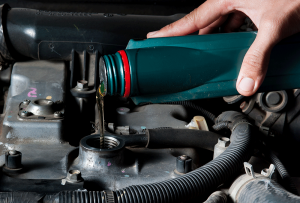
Engine sludge is old and congealed oil resulting from excessive contamination, heat and oil additive breakdown. Sludge typically forms over a long period of time and generally builds up when a vehicle owner skips oil changes or travels many miles past the recommended oil change interval.
If you are unsure how often to change the oil, make sure to contact us. We can advise you on the recommended oil change interval your vehicle should have. If you delay changing the oil, this can cause the issue. The oil will need to stay clean and in the best condition possible.
The oil in your vehicle can thin out. This results in metal on metal grinding or wears in your engine. Remember, thinner oils are ideal during winter. The lower the grade, the thinner the oil, and the easier your vehicle will start during those deep freezes. By keeping up on regular oil changes, you can help prevent further damage to your vehicle. If you inspect the oil and notice dirt and debris, it is recommended to have it changed so fresh clean oil can run through your vehicle. When the oil is changed, the oil filter can also be checked. The filter helps to collect dirt and other contaminants that are in the oil.
The Dangers of Potholes to Vehicles

Potholes can be a hazard to the vehicle. While the tires and wheels are easy to visually inspect, there could also be damage to other areas of your vehicle. The suspension, steering, and alignment systems can all become damaged as well. It is important to schedule an appointment to bring the vehicle in so it can be inspected after hitting a pothole.
Potholes occur during the spring months when the water permeates the pavement. This is typically from a crack in the road due to heavy wear and tear of the traffic. This will then cause it to soften the soil below it and it will then create a depression into the surface of the road. The freezing and thawing weather cycles can accelerate this process. After a few cycles, the road will have a pothole in it. If there is flooding or rain, this can disguise where the potholes are. That is why it is important to make sure to approach water puddles carefully. Water can hide how deep the puddle or pothole may actually be.
By hitting a pothole, it may cause damage to the tires on the vehicle. It could cause them to have low tire pressure, dent the rim of the tire, or produce bulges or blisters on the sidewalls. While these issues can be visible, it is always recommended to bring the vehicle in for an inspection. Depending how serious these issues are, it could cause a safety hazard when you drive. Bring the vehicle in and we can inspect the parts and components of the vehicle. If there is an issue, we can help to make you aware of it. This can get you back to driving a safe and reliable vehicle again. It can also help provide a pleasant ride for you and your passengers. It is also recommended to have the steering and suspension systems checked at least once a year.
Another sign of damage from hitting potholes is if the vehicle pulls in one direction or another. This can be especially noticeable when driving in a straight line. The tires may no longer be aligned properly and cause an issue when driving. Having the vehicle pull in a direction may also indicate an issue with how the tires are wearing. Make sure to bring the vehicle in and we can inspect it for the issue that causes it to pull. It is also advised to go to inspections regularly, so we can ensure the vehicle is in top condition for you. If you are not sure how often to bring the vehicle in, contact us and we can recommend the schedule for you.
Inspect the Tires this Spring

As spring arrives, there are a few things you should check on your vehicle. This is a good time to get your vehicle back into shape after a tough season facing frigid temperatures, snow, ice, and now potholes. There are some spring car tire tips to get your vehicle ready for the upcoming road travel season. The tires are important because they are the only part of the vehicle that makes direct contact with the surface of the road.
Roads filled with potholes can make winter driving tough on the suspension of your vehicle. Whether you had winter or all-season tires on your vehicle, check the evenness of the wear across the width of the tread. If you observe uneven tire wear, you might need a wheel alignment. Ignore it and your tires will wear out quickly and need to be replaced sooner than you thought.
With spring and summer around the corner, you will want a tire that can resist hydroplaning in heavy rain and slide on slick, wet roads. To check if your tires are well worn, try the penny test. This is a good tool to determine how much performance you have left. Place the penny upside down in the groove of the tire. If you can see the top of Lincoln’s head, then the tread has worn down and the tire should be replaced.
Make sure to bring the vehicle in and we can inspect the tread of the tires for you. Also remember to check the inflation of the tires regularly. Under inflated tires can cause heat build-up. You can also bring the vehicle in and we can check the air pressure for the tires for you. This will help ensure they rotate efficiently when you drive.
Maintenance Tips for the Battery

The battery is an important part under the hood of your vehicle. The battery helps to send power to the alternator and the rest of your vehicle in order for it to start and operate properly. If you notice that the vehicle is slow to start or it is becoming more difficult, there could be an issue with the battery. If the battery is starting to go out, we can alert you to what the issue may be and the options you have to fix it. There are also some other tips you can do to help keep the battery lasting as long as possible.
One of the most important things you can do is to make sure the battery is clean. A dirty battery connection can weaken the charge of it. Make sure to clean away any grease, dirt, or debris build up that might be on the battery. Also check the terminals and posts of the battery. This can help to make sure the power is able to go through other parts and components with a strong current. If there is a build up of dirt and debris, it could result in a poor connection for these parts. It can also result in a poor electrical currant for the rest of your vehicle. If you notice that the lights are becoming dimmer on the vehicle, it could be an indication that there is an issue with the battery. If the battery is old, it could be wearing out.
Another important thing to look at is how secure the battery is. If the battery is lightly sitting it the spot and wiggles a lot, it could end up tipping over. A loose battery could also hit other parts of your engine. This is a problem because it could cause more issues and a costly repair bill to have it fixed. Another issue with a loose battery is that it could lead to battery acid spilling over the motor of your vehicle. Make sure to keep the battery clean so it can sit securely and correctly in place. If you suspect that the battery is loose, bring your vehicle in as soon as possible.
Alignments can Improve the Safety

Having the wheels aligned can also help keep the vehicle perpendicular to the surface of the road. It will also keep the tires parallel to one another. If you notice an issue with how your vehicle is handling, make sure to bring it in as soon as you can. This way we can inspect it for the condition and reliability of the tires.
One of the most important reasons to get an alignment done is it can improve the safety of your vehicle. If you notice that the vehicle pulls in one direction or another, it may be time for an alignment to be done. Tires that are not aligned can increase the chance from an accident or issue occurring.
By having the wheels aligned, you can make sure there is even pressure on the tires. If they are not aligned, it can cause them to wear faster, and increase the fuel mileage. This is because more fuel will be used to correct the tires. Tires that are not aligned will tend to push against one another when they rotate. Uneven friction and more resistance from the surface of the road can cause you to spend more on fuel each time. When the wheels are aligned properly, there is less resistance from the surface of the road. This not only helps to provide a smoother ride, but also it can save on fuel mileage.
Tires that are not aligned and driven on can start to become bald on a certain side. This could mean the tires would need to be replaced sooner than they typically should. It can also decrease the safety for your vehicle. You may also notice that the vehicle starts to pull in one direction or another. This could indicate a problem with the alignment. Eventually, it will start to cause issues with the steering system as well. Not having the wheels aligned can also affect the suspension of your vehicle. This can make it harder to handle and control when you drive. Any odd feelings or vibrations you feel when you drive should not be ignored. Make sure to schedule an appointment with us so we can inspect the vehicle for you.
Obtaining the Best Fuel Mileage when you Drive

When owning a vehicle, you will want to have it last as long as possible. One way to help increase the life of it is to go to regular maintenance inspections. Also, between maintenances, make sure you inspect parts of the vehicle yourself. This can help notice an issue at the first sign of it. It can also decrease the chance for a costly repair bill in the future. By having the vehicle maintained, you will be able to have the best fuel mileage possible when you travel.
From tires to fluid checks to oil changes, you want to do everything possible to get the maximum value from the money that you spend on gas. Keep your tires at the proper pressure level. If your tires have too little or too much air in them, this will affect the handling of your car, which can cause drag on the engine causing you to use much more fuel than you should. Tire air pressure not only helps with your fuel efficiency, however, it also helps to lengthen the life of your tires. This is a maintenance issue that is very simple to take care of, so you want to be sure that you learn how to use a tire pressure gauge to keep your tires at the pressure level that is recommended by the tire manufacturer.
Keep to your oil change maintenance schedule. The manufacturer will have a schedule of how often that you need to change your oil. By sticking to that, you will be able to keep all of the engine parts lubricated to make sure that everything works as efficiently as possible. Old oil that is full of dirt and debris or not enough oil can cause your engine to lock up and cause it to have to work harder to keep your car running efficiently, which can impact the fuel efficiency of your vehicle. If you notice that oil has to be added often, it could mean there is a leak in the system somewhere. Bring the vehicle in, and we can locate the source of the issue. This can save you money, as well as poor wear on your vehicle.
If you want to keep your vehicle running as fuel efficiently as possible, you want to keep the tires in as good of condition as possible. Make sure the tires are properly inflated. By having good air pressure, the tires will be able to rotate, as they need to. If you notice a tire going flat more often than normal, it could be a sign of a leak. This should be repaired as soon as possible so your vehicle is safe and reliable on the road. By keeping it running as efficiently as possible, you will be able to get the maximum fuel efficiency when you drive. If you are not sure what the proper air pressure should be for the tires, make sure to bring the vehicle in, and we can inspect the tires and air pressure for you.
Signs there may be Issues with your Brakes

One of the most important parts on your vehicle is your brake system. This is because the brakes are the part of the vehicle that allows you to stop safely. It is important to bring your vehicle in for regular inspections.
There are several signs you might notice if the brakes are starting to go out in your vehicle. The brakes may start to make odd noises or produce vibrations when the brake pedal is applied. If you notice anything out of the norm, make sure to bring your vehicle in as soon as possible. This way the issue can be looked at and repaired before it gets worse.
Noises
The brakes may produce a squeal or squeaking noise. This is caused from unwanted movement of the brake components, sometimes causing friction. Make sure to have the brakes properly inspected on a regular basis. We can also check for corrosion, worn parts, or damaged components. If there is grinding noises, there could be an issue with the brake pads and rotors.
Brakes
Excessive wearing can be caused from lack of maintenance, hard driving, or vehicle characteristics. Overloading the vehicle or making shorter trips can cause wear to the brake system. This can also lead to the brake pads wearing and failing sooner than they should.
Pulsations are another issue that can be obvious to you when driving. The brake pads and rotors may also need to be inspected. They should be checked for the thickness and how they are wearing. If the brake pads have been worn down completely, the will start to wear unevenly against the brake rotors.
Brake Dust
When applying the brakes, small amounts of material gradually scrape from the brake pads. This is known as brake dust. Brake dust will typically deposit on the braking system and the surrounding wheel. The proper friction material choice can affect the dusting. Different brake pad formulations create different amounts of dust. Some formulations such as metallic brake pads can create more dust than others. Ceramic brake pads can contain significantly less metal particles. This results in them producing less abrasion of surrounding metal parts. Brake dust can become more than just a nuisance visually. Brake dust can damage the finish of most wheels if it is not washed off. Removing the brake dust can also eliminate other problems in the long run as well.
Response Time
The stopping performance of your vehicle is crucial for the safety of you and those around you. If you notice the vehicle is slow to stop when you apply the brakes, it may be a sign they are going out. The response time is important because you need to rely on your brakes to ensure that the safety is the best it can be when you drive. Make sure to contact us if you notice an issue with your vehicle, and we can inspect it for you.
Common Transmission Problems to be Aware of

Regular maintenance is important for your vehicle. This way we can inspect all parts and components of your vehicle. If you are not sure when this should be, we can recommend the proper schedule for you. Also it may depend on your vehicle, where you drive, and how often you drive. One part to remember to check is the transmission. Like other parts, without proper care, this will eventually start to fail.
Make sure the transmission fluid is topped off for the vehicle. This helps lubricate the transmission and keep it running properly. Without it, the transmission will seize up and fail. This is an expense repair, so you will want to try and avoid it if possible. Sometimes you may notice that the transmission gears are slipping. This will happen with age or if it is starting to fail. Make sure to bring the vehicle in, and we can check it for you. Having the issue fixed is important before it becomes a larger problem. If there are jerks and poor handling with the vehicle, it could mean the transmission is going out as well. Having everything inspected will help keep it efficient when you drive. If you see a leak under the vehicle, check all the fluids of the vehicle. It could be the oil, or brake fluid, or even the transmission fluid. If you notice a leak, we can repair it for you.
If there are any odd noises or issues with your vehicle, always remember to schedule an appointment with us. We can check for the reason the vehicle may be having the issues. Sometimes it may act like a part like the engine or transmission, but it might be something simple like a belt replacement. No matter what the reason, the issues should always be checked as soon as you can.
Mistakes to Avoid Making while Driving
Driving in the winter can become difficult at times. One of the most important things you can do is to make sure that you slow down. This is one of the best things you can do if the roads are in bad condition or the weather is poor. Slowing down can also help to prevent an accident to you or those around you. Also make sure that your vehicle is brought in for regular scheduled maintenances. This can help to ensure the vehicle is in the best condition possible when you drive.
If the vehicle is equipped with four-wheel driving, it can typically perform better in snowy and icy driving conditions. This could end up being a disadvantage to you because it could give you a false sense of safety and security. Four-wheel drive is used to send a specific amount of torque needed to each of the four tires. This helps to allow it to gain traction and move forward through the snowy roads. This does not help to provide you with stopping capability that you would normally have on perfectly conditioned roads.
Before traveling out on the road, make sure you are well prepared for the upcoming trip. Make sure to check the weather of the areas you will be traveling. Also make sure to inspect the tires. The tread of the tire should be checked to ensure it is at least one sixteenth of an inch. Also check the air pressure in the tires. The correct amount can be found in the vehicle owner’s manual. By having tires that are in proper condition, they can help to handle well in poor driving conditions.
It is important to not drive to closely to the vehicle in front of you. This is because if they need to slam on the brakes quickly, you will not have an adequate amount of time to do so as well. Leaving enough space in front of you can help reaction time or if you need to swerve to avoid an accident. It is recommended that you double or triple your driving distance between vehicles. Also look ahead for any stoplights, stop signs, or curves that might be in the road. This can help to give yourself adequate time to brake or steer around them. It is also recommended to not slam on the brakes. Try to slowly brake as you approach an issue. This can help prevent the brakes locking up and sliding from occurring. If you notice that there is an issue with the brake system of your vehicle, make sure to bring it in as soon as possible.
Inspect the Vehicle for Radiator Issues
The radiator is important because it helps to keep the vehicle cool. As the vehicle overheats, it could indicate an issue with the radiator or other parts. Proper maintenance will help keep these parts working the best they can. Make sure that you bring the vehicle in and we will inspect it for you. Even if you think it is not a major issue, a minor issue can become something worse with time.
Remember that the thermostat should be inspected. With age this will start to have signs of damage and also an issue. Sometimes the vehicle will act like it is overheating, but really it is a thermostat that has failed. The hoses should also be inspected to ensure they are in proper condition. Based on a schedule, they will need to be replaced so they can keep the efficiency of the vehicle at peak performance.
If you notice that your vehicle is overheating constantly, make sure to schedule an appointment as soon as you can. This is important because if you vehicle starts to overheat, it could be doing more damage than you might realize. If it is ignored, it may cost you more time, money, and stress in the long run. It can also help to keep your vehicle lasting as long as possible.