
Serving All Makes & Models Since 1947
651-228-1316
982 Grand Ave • St. Paul, MN 55105
Mon-Fri: 7am - 6pm
982 Grand Ave • St. Paul, MN 55105
Mon-Fri: 7am - 6pm

#1 Best Expert Oil Change in St Paul at Lloyd’s
Maintaining your vehicle’s engine is essential for ensuring its longevity, performance, and safety on the road. One of the simplest yet most important services you can perform is a regular oil change in St Paul. At Lloyd’s Automotive, we understand the importance of timely oil changes and offer professional, family-friendly services to ensure your car remains in peak condition. With over 50 years of experience, our team is committed to delivering the best service for your vehicle, providing peace of mind for you and your family.
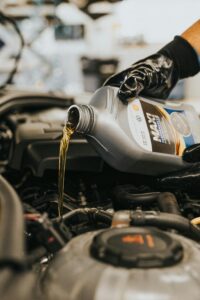
Why Regular Oil Changes Matter
Oil is the lifeblood of your engine. It lubricates the moving parts, reduces wear and tear, keeps the engine cool, and helps to prevent corrosion. Over time, oil breaks down, becomes contaminated with dirt, and loses its effectiveness. This is why getting an oil change in St Paul at regular intervals is crucial to avoid potential damage to your engine.
Driving conditions in St. Paul can be particularly harsh, with cold winters and hot summers putting extra stress on your vehicle. These temperature extremes can accelerate the breakdown of engine oil, making regular oil changes even more important. At Lloyd’s Automotive, we tailor our services to the unique needs of your vehicle and the demands of the local environment.
Expertise You Can Trust
When you choose Lloyd’s Automotive for your oil change in St Paul, you’re not just choosing any service – you’re opting for a team with decades of experience. Our certified technicians know the ins and outs of all types of vehicles, from everyday family cars to high-performance machines. Whether your car requires conventional, synthetic, or high-mileage oil, we have the expertise to ensure it gets the care it needs.
Many garages will simply drain and refill your oil, but at Lloyd’s, we take it a step further. We perform a comprehensive inspection of your vehicle to identify any potential issues before they become costly repairs. Our technicians are trained to spot early warning signs, providing you with expert advice on how to keep your car running smoothly.
A Family-Friendly Approach
What sets Lloyd’s Automotive apart is not just our expertise, but our commitment to treating every customer like family. We know that car maintenance can be stressful, especially for busy families in St. Paul. That’s why we’ve built our business around a family-friendly, customer-centric philosophy.
 From the moment you step into our shop, you’ll be greeted by our welcoming staff who are eager to help you. Our waiting area is designed to be comfortable and accommodating, whether you’re waiting with children or catching up on work. We understand that life doesn’t stop just because your car needs an oil change in St Paul, so we offer fast, efficient service without compromising on quality.
What to Expect During Your Oil Change
When you bring your vehicle to Lloyd’s Automotive for an oil change in St Paul, you can expect more than just an oil swap. Here’s a quick overview of what our oil change service includes: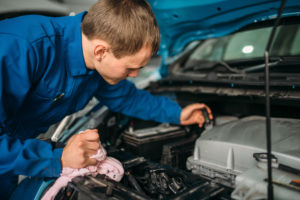
- Oil Drain and Refill: We remove the old, dirty oil from your engine and replace it with fresh, high-quality oil.
- New Oil Filter: A clean filter is essential for trapping contaminants and preventing them from circulating through your engine. We’ll replace your old oil filter with a brand-new one.
- Fluid Checks: In addition to changing your oil, we’ll check all your vehicle’s fluid levels, including brake fluid, coolant, and power steering fluid, topping off as needed.
- Tire Pressure Check: Properly inflated tires improve fuel efficiency and safety. We’ll check your tire pressure and inflate or deflate them as necessary.
- Visual Inspection: Our technicians will also perform a visual inspection of your vehicle’s key components, such as belts, hoses, and undercarriage, to catch any potential issues early.
This thorough service ensures that your vehicle leaves our shop in the best possible condition, ready to tackle the roads of St. Paul.
Convenience and Flexibility
At Lloyd’s Automotive, we know how busy life can get. That’s why we offer flexible scheduling options for your oil change in St Paul. Whether you need an early morning appointment before work or a weekend service, we’ve got you covered. You can easily schedule your oil change online by clicking here to set up an appointment that fits your schedule.
We’re also conveniently located in St. Paul, making it easy for you to drop off your car and get on with your day. If you prefer to wait while we service your vehicle, our comfortable waiting area is equipped with free Wi-Fi, allowing you to catch up on emails or relax while we take care of your car.
Why Choose Lloyd’s Automotive for Oil Changes?
With so many options for an oil change in St Paul, why should you choose Lloyd’s Automotive? The answer is simple: we combine decades of expertise, family-friendly service, and a commitment to customer satisfaction that you won’t find anywhere else.
We take pride in the fact that many of our customers are long-time clients who trust us with all of their vehicle maintenance needs. We treat every car as if it were our own, using only the highest quality products and following best practices to ensure your engine stays in optimal condition.
Save Time and Money with Regular Oil Changes
Many people underestimate the importance of regular oil changes, thinking they can delay the service to save money. However, neglecting to get an oil change in St Paul can lead to much more expensive repairs in the long run. Dirty or old oil puts extra strain on your engine, increasing the risk of breakdowns and even engine failure.
By staying on top of your oil changes, you not only protect your engine but also improve your car’s fuel efficiency. Clean oil reduces friction within the engine, allowing it to run more smoothly and burn less fuel. Over time, this can save you money at the pump.
Closing Thoughts: Trust Lloyd’s Automotive for Your Oil Change in St Paul
Taking care of your vehicle doesn’t have to be a hassle. At Lloyd’s Automotive, we make it easy and stress-free to get a quality oil change in St Paul. With our experienced technicians, friendly service, and commitment to customer satisfaction, we’re your go-to destination for all your vehicle maintenance needs.
So, the next time your car is due for an oil change, don’t wait. Click here to schedule your appointment with Lloyd’s Automotive today for an oil change in St Paul and experience the difference that comes with expert, family-friendly service.
SOURCES:
https://www.cars.com/articles/6-signs-your-car-needs-an-oil-change-1420680962821/
https://www.motortrend.com/news/how-often-should-you-change-your-oil/
The Vital Role of Regular Maintenance in Keeping Your Car Running Smoothly
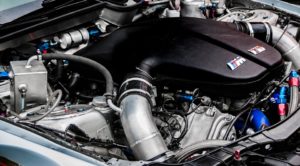
Regular maintenance is the cornerstone of vehicle longevity and performance. While it might be tempting to skip routine services, neglecting your car’s upkeep can lead to costly repairs and even jeopardize your safety. In this blog, we’ll explore why regular maintenance is crucial for your car and why it should be a top priority for every vehicle owner.
1. Prevents Expensive Repairs
One of the primary benefits of regular maintenance is that it helps you avoid costly repairs. Small issues, like low oil levels or worn brake pads, can escalate into significant problems if left unchecked. For example, failing to replace your car’s oil can lead to engine damage, which is far more expensive to fix than a simple oil change. Regular maintenance helps catch these issues early, saving you money and keeping your vehicle in top shape.
2. Improves Vehicle Safety
Your safety on the road depends heavily on the condition of your vehicle. Routine checks, such as inspecting the brakes, tires, and lights, ensure that all components are functioning correctly. Worn tires or faulty brakes can increase the risk of accidents, especially in adverse conditions. By adhering to a regular maintenance schedule, you reduce the likelihood of mechanical failures and enhance your safety and that of your passengers.
3. Enhances Fuel Efficiency
A well-maintained car runs more efficiently, which directly impacts fuel consumption. Simple tasks like keeping your tires properly inflated, changing the air filter, and ensuring the engine is tuned can significantly improve your car’s fuel efficiency. Better gas mileage not only saves you money at the pump but also reduces your carbon footprint, making regular maintenance a win-win for your wallet and the environment.
4. Extends Vehicle Lifespan
Regular maintenance plays a crucial role in extending the life of your car. By taking care of your vehicle’s essential systems, you can avoid premature wear and tear. Consistent oil changes, brake inspections, and fluid checks keep your car running smoothly, helping you get the most out of your investment. A well-maintained car is less likely to break down and more likely to serve you well for years to come.
5. Maintains Resale Value
If you plan to sell your car in the future, regular maintenance is key to retaining its value. A vehicle with a documented maintenance history is more attractive to potential buyers and can command a higher price. By staying on top of routine services, you ensure that your car remains in excellent condition, which can lead to a better resale value when the time comes to trade it in or sell it.
In conclusion, regular maintenance is essential for keeping your car running smoothly, ensuring safety, and avoiding costly repairs. By committing to a routine maintenance schedule, you not only protect your investment but also ensure that your vehicle remains reliable and efficient. Prioritizing regular maintenance is a smart decision that pays off in the long run, both in terms of performance and peace of mind.
Common Reasons Your Car’s Air Conditioner Isn’t Blowing Cold Air and How to Fix Them

As summer temperatures rise, a well-functioning car air conditioner becomes essential for a comfortable driving experience. However, if you find that your car’s AC is not blowing cold air, it’s important to identify and address the issue promptly. Here are some common reasons why your car’s air conditioner might not be cooling effectively and what you can do about it.
Low Refrigerant Levels
One of the most common reasons for a car air conditioner not blowing cold air is low refrigerant levels. Refrigerant is the chemical that cools the air inside the system. Over time, refrigerant can leak due to small cracks or holes in the AC system, leading to a decrease in cooling efficiency. If you notice that your AC isn’t as cold as it used to be, it might be time for a refrigerant recharge. A professional mechanic can check for leaks and refill the refrigerant to restore your AC’s cooling power.
Faulty Compressor
The compressor is a crucial component of your car’s air conditioning system. It circulates the refrigerant through the system, enabling the cooling process. If the compressor is malfunctioning or has failed, the AC won’t blow cold air. Signs of a faulty compressor include strange noises when the AC is on, the AC not turning on, or intermittent cooling. Diagnosing and replacing a faulty compressor should be done by a professional to ensure proper handling and installation.
Blocked or Clogged Condenser
The condenser is responsible for dissipating the heat absorbed by the refrigerant from your car’s cabin. If the condenser is blocked or clogged with debris, it can’t release the heat efficiently, causing the AC to blow warm air. Inspect the condenser, usually located in front of the radiator, for any obstructions such as leaves, dirt, or other debris. Cleaning the condenser or removing the blockage can often resolve this issue.
Electrical Issues
Modern car air conditioning systems rely on various electrical components to function correctly. A blown fuse, faulty wiring, or a malfunctioning sensor can disrupt the AC system and prevent it from blowing cold air. Diagnosing electrical issues can be complex and often requires professional expertise. If you suspect an electrical problem, it’s best to have a professional mechanic inspect the system.
Faulty Cooling Fans
Cooling fans help the condenser dissipate heat. If the fans aren’t working correctly, the condenser cannot release heat effectively, resulting in warm air blowing from the AC vents. Listen for the sound of the cooling fans when the AC is running. If the fans are silent or not spinning, they may need to be repaired or replaced.
Clogged Air Filters
Air filters play a crucial role in maintaining airflow in your car’s AC system. Over time, these filters can become clogged with dirt, dust, and debris, restricting airflow and reducing cooling efficiency. Regularly check your car’s air filters and replace them as needed to ensure optimal airflow and cooling performance.
A car air conditioner that isn’t blowing cold air can be a major inconvenience, especially during the hot summer months. By understanding common issues such as low refrigerant levels, faulty compressors, blocked condensers, electrical problems, faulty cooling fans, and clogged air filters, you can diagnose and address the problem promptly. Regular maintenance and timely repairs can keep your car’s AC system in top shape, ensuring a comfortable and cool driving experience.
Essential Tips to Protect Your Vehicle against the Summer Heat and Sun

Summer is a season for road trips and beach outings, but the intense heat and relentless sun can take a serious toll on your vehicle. Understanding how summer conditions impact your car can help you take preventative measures to protect it and avoid costly repairs. Here’s a comprehensive guide on how the summer heat and sun affect your vehicle and what you can do to keep it running smoothly.
Damage to the Tires
High temperatures cause the air inside your tires to expand, leading to overinflation. Overinflated tires are more susceptible to blowouts, especially on hot asphalt. Conversely, underinflated tires can overheat, increasing the risk of failure. To maintain tire health, regularly check your tire pressure during the summer months and ensure they are inflated to the manufacturer’s recommended levels. Additionally, inspect your tires for signs of wear and damage, and rotate them periodically for even wear.
Battery Issues
Summer heat can speed up the chemical reactions inside your car’s battery, potentially leading to overcharging and reduced lifespan. High temperatures can also cause battery fluid to evaporate, resulting in internal damage. To prevent battery issues, have your battery tested by a professional before the heat peaks. Look for signs of corrosion or leakage and ensure it is properly charged and maintained.
Engine Overheating
The risk of engine overheating increases significantly during summer. High temperatures put extra stress on your car’s cooling system. Regularly check your coolant levels and ensure your radiator and cooling system are functioning properly. Having a professional inspect your vehicle for potential issues, such as leaks or damaged hoses, can help prevent overheating.
Interior Fading and Cracking
The sun’s UV rays can cause your car’s interior to fade and crack over time. Dashboards, seats, and other interior components are particularly vulnerable to sun damage. To protect your car’s interior, use sunshades, park in shaded areas, and apply UV protectant to interior surfaces. Seat covers can also help protect upholstery, and keeping your windows slightly open can reduce the temperature inside your car.
Damage to the Paint and Exterior
Prolonged exposure to the sun can damage your car’s paint, causing it to fade and lose its shine. The heat can also make the paint more susceptible to scratches and other damage. Regularly washing and waxing your car helps protect the paint by creating a barrier against the sun’s rays and other environmental factors. If you park outside for extended periods, consider using a car cover.
The summer heat and sun can have a significant impact on your vehicle, from tire damage and battery failure to engine overheating and interior fading. By taking proactive measures—such as checking tire pressure, maintaining your battery and cooling system, and protecting your car’s interior and exterior—you can ensure your vehicle remains in top condition throughout the summer. Don’t let the summer heat take a toll on your car. Schedule a comprehensive vehicle check-up today to address any potential issues and keep your car running smoothly all season long. Regular maintenance and protective measures are key to avoiding costly repairs and ensuring your vehicle’s longevity.
Stay Safe on the Road: Top 5 Signs Your Tires Need to Be Replaced
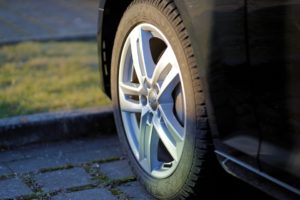
Ensuring your vehicle’s tires are in top condition is essential for safe driving and optimal performance. Worn or damaged tires can lead to accidents and costly repairs, so it’s crucial to know when it’s time to replace them. Here are the top five signs that your tires might need to be replaced:
1. Low Tread Depth
Tread depth is crucial for maintaining traction, especially on wet or slippery roads. The legal minimum tread depth is 2/32 of an inch, but for better safety, consider replacing your tires when the tread depth reaches 4/32 of an inch. You can check tread depth using the penny test: insert a penny into the tread with Lincoln’s head facing down. If you can see the top of Lincoln’s head, it’s time to replace your tires.
2. Uneven Tire Wear
Uneven wear on your tires can indicate problems with your vehicle’s alignment, suspension, or tire pressure. Look for signs of uneven wear, such as one side of the tire being more worn than the other or the center wearing down faster than the edges. Regular tire rotation and proper alignment can help prevent uneven wear, but once it occurs, it’s a sign that your tires may need replacing.
3. Cracks and Bulges
Inspect your tires for any visible cracks or bulges in the sidewalls. Cracks can develop due to age, exposure to harsh elements, or impact with curbs and potholes. Bulges occur when the internal structure of the tire is compromised, often leading to a potential blowout. If you notice any cracks or bulges, it’s crucial to replace the affected tire immediately to ensure your safety.
4. Excessive Vibration
While some vibration is normal, excessive or unusual vibration can signal tire problems. This could be due to imbalanced tires, misalignment, or internal tire damage. If you experience excessive vibration, especially at higher speeds, have your tires inspected by a professional. Persistent vibration can lead to further damage and should be addressed promptly.
5. Tire Age
Tires degrade over time, regardless of mileage. The rubber compounds break down due to exposure to sunlight, temperature changes, and general wear and tear. Most manufacturers recommend replacing tires every six to ten years, even if they appear to be in good condition. Check the manufacture date on the sidewall of your tire—the last four digits of the DOT code indicate the week and year of production.
Being proactive about tire maintenance is essential for your safety and the performance of your vehicle. Recognizing the signs that your tires need to be replaced—such as low tread depth, uneven wear, cracks, bulges, excessive vibration, and tire age—can help you avoid accidents and costly repairs. Regular tire inspections and maintenance are crucial to ensure your vehicle remains safe and reliable.
Maximizing Fuel Efficiency: Debunking Myths and Embracing Facts
In today’s world, where environmental concerns and rising fuel costs are at the forefront of our minds, maximizing fuel efficiency has become more important than ever. However, amidst the plethora of advice and tips available, it’s crucial to separate fact from fiction to truly optimize your vehicle’s mileage. Let’s delve into some common fuel-saving myths and uncover evidence-based strategies for better efficiency on the road.
Myth 1: “Turning off the AC saves fuel.”
Fact: While it’s true that running your air conditioning puts extra strain on your engine, the impact on fuel consumption is minimal, especially at higher speeds. Studies have shown that driving with the windows down at highway speeds actually creates more drag, leading to increased fuel usage compared to using the AC.
Tip: Use the AC sparingly, especially during city driving where the impact on fuel efficiency is more noticeable. But don’t hesitate to turn it on when driving at higher speeds to maintain a comfortable cabin temperature and minimize drag.
Myth 2: “Filling up your tank in the morning when it’s cooler saves fuel.”
Fact: This myth stems from the idea that gasoline expands in warmer temperatures, so you get more fuel for your money when it’s cooler outside. However, modern fuel pumps are equipped with temperature compensation mechanisms, ensuring that you receive the same amount of fuel regardless of the temperature.
Tip: Focus on other fuel-saving strategies rather than worrying about the time of day you fill up your tank.
Myth 3: “Premium fuel improves fuel efficiency.”
Fact: Unless your vehicle specifically requires premium fuel due to a high-performance engine or turbocharging, using premium fuel offers no significant benefit in terms of fuel efficiency. In fact, it can be a waste of money since regular gasoline typically provides the same level of performance and efficiency for most vehicles.
Tip: Stick to the fuel grade recommended by your vehicle manufacturer. Using higher-octane fuel when it’s not necessary won’t enhance your mileage but will only increase your expenses.
Myth 4: “Keeping your tires overinflated improves fuel efficiency.”
Fact: While underinflated tires can indeed decrease fuel efficiency due to increased rolling resistance, overinflating them is not the solution. Overinflation can lead to uneven tire wear, reduced traction, and a harsher ride quality, negating any potential fuel savings.
Tip: Check your tire pressure regularly and maintain it at the recommended level specified in your vehicle’s manual. This ensures optimal fuel efficiency without compromising safety and comfort.
Myth 5: “Driving a manual transmission always saves fuel compared to an automatic.”
Fact: While manual transmissions offer more direct control over gear shifts, modern automatic transmissions have significantly improved in terms of efficiency. In some cases, especially with advanced transmission technologies like continuously variable transmissions (CVTs) or dual-clutch transmissions (DCTs), automatics can actually outperform manuals in terms of fuel efficiency.
Tip: Focus on driving techniques that promote smooth acceleration and deceleration, regardless of transmission type. Avoid unnecessary braking and acceleration, and anticipate traffic flow to maintain a steady speed, optimizing fuel efficiency regardless of your vehicle’s transmission.
In conclusion, maximizing fuel efficiency requires separating fact from fiction and adopting evidence-based strategies tailored to your vehicle and driving habits. By debunking common myths and embracing proven tips, you can enjoy better mileage, reduced environmental impact, and lower fuel costs on your journeys.
Car Care After the Winter Months
As the chill of winter subsides and the promise of spring fills the air, it’s time to shift our focus from snow and ice to the maintenance needs of our vehicles. Post-winter vehicle care is essential to ensure your car remains in optimal condition, ready to tackle the challenges of the road ahead. Here’s a comprehensive guide to navigating the essential steps.
Salt can cause damage to your Car
Winter roads are often coated with salt and de-icing chemicals, which can wreak havoc on your car’s paint and undercarriage. Begin by giving your vehicle a comprehensive wash, paying close attention to areas where salt tends to accumulate, such as the wheel wells and undercarriage. Be sure to use a cleaner specifically designed to remove road salt effectively. Following the wash, apply a protective wax coating to shield your paint from the elements and prevent corrosion. Don’t forget to clean the windshield and wiper blades to ensure clear visibility, as winter grime can build up and impair your vision.
Check the Fluid Levels on a Regular Basis
It’s crucial to check fluid levels and replace any that may have been depleted during the colder months. Engine oil, coolant, brake fluid, and windshield washer fluid should all be inspected and topped up as needed. Additionally, assess the condition of your brakes, tires, and suspension, as winter conditions can accelerate wear and tear. Rotate your tires to ensure even wear and prolong their lifespan, and consider having your battery tested to ensure it’s still in good condition. Cold weather can strain batteries, so it’s essential to address any issues promptly to avoid unexpected breakdowns.
Finally, don’t neglect the interior of your vehicle. Remove any clutter and debris that may have accumulated over the winter months, and give the interior a thorough cleaning. Vacuum carpets and upholstery to remove dirt and salt residue, and consider using a leather conditioner to prevent drying and cracking. Check the functionality of all interior components, including heating and air conditioning systems, lights, and electronics. Address any malfunctions promptly to ensure a comfortable and safe driving experience. By following this essential post-winter vehicle care guide, you can help prolong the life of your car and ensure it’s ready to take on the challenges of the warmer months ahead.
Knowing how to Drive on Ice & Snow Covered Roads
 Driving on ice- or snow-covered roads demands caution, skill, and adaptability to ensure safe navigation through treacherous conditions. As winter descends and road surfaces become hazardous, it’s crucial for drivers to be equipped with the knowledge and techniques required for safe winter driving. Here are some essential tips for driving on ice or snow.
Slow down in poor weather
Slowing down allows for better control of the vehicle and increases reaction time, essential for navigating slippery surfaces safely. It’s advisable to drive well below the posted speed limit, especially when encountering icy patches or snow-covered roads. Additionally, maintaining a safe following distance between vehicles is crucial, providing ample space for braking and maneuvering. Smooth and gradual movements when accelerating, braking, and steering help maintain traction and stability, minimizing the likelihood of accidents.
Change how you drive
Change your driving technique to suit the prevailing conditions. When approaching turns or bends, it’s crucial to brake gently before entering and maintain a steady speed throughout the maneuver. Sudden changes in direction or speed can lead to loss of traction and control, particularly on icy surfaces. In the event of a skid, remaining calm and steering in the direction you want to go without overcompensating is crucial. Utilizing lower gears when ascending or descending hills can provide better traction and control, reducing the risk of wheel spin. Additionally, staying vigilant for black ice, which is often transparent and difficult to detect, is essential, especially on shaded areas, bridges, and overpasses where it commonly forms.
Lastly, preparation and awareness are key components of safe winter driving. Before embarking on a journey, checking weather forecasts and road conditions is essential, allowing drivers to make informed decisions about their route and travel plans. Informing someone of your intended route and estimated arrival time is advisable, particularly when traveling through remote or isolated areas. Carrying an emergency kit stocked with essentials such as blankets, non-perishable food, water, a flashlight, and a first aid kit is essential for handling unexpected situations. By adhering to these tips and exercising caution, drivers can navigate icy or snow-covered roads.
Checking the Fluids of your Car is Important
Regularly checking the fluids in your vehicle is essential for ensuring its proper functioning and longevity. Several key fluids play vital roles in the operation of your car, and monitoring them regularly can help prevent costly repairs and breakdowns. One of the most critical fluids to check is engine oil. Engine oil lubricates the moving parts of the engine, reducing friction and heat buildup. It’s essential to check the oil level regularly using the dipstick and ensure it falls within the recommended range. Additionally, inspect the oil’s color and consistency; if it appears dark or gritty, it may be time for an oil change. Neglecting to maintain proper oil levels and quality can lead to increased engine wear and potential engine damage.Fluid Levels to Check
Coolant, also known as antifreeze, is another vital fluid that requires regular inspection. Coolant helps regulate the engine’s temperature by dissipating heat and preventing it from overheating or freezing. It circulates through the engine and radiator, absorbing heat and transferring it to the air. Checking the coolant level regularly and ensuring it’s at the appropriate level is crucial. Additionally, inspect the coolant for any signs of contamination or degradation, such as rust or discoloration. These could indicate a coolant leak or the need for a coolant flush and replacement. Proper coolant maintenance is essential for preventing engine overheating and costly repairs.
Remember the Transmission Fluid
Transmission fluid is also critical for the proper functioning of the transmission system. Transmission fluid lubricates the transmission’s moving parts, facilitates smooth gear shifts, and helps cool the transmission. It’s essential to check the transmission fluid level regularly using the dipstick and ensure it’s within the recommended range. Similarly, monitor the fluid’s color and odor; burnt or dark-colored fluid may indicate the need for a transmission fluid change to prevent transmission problems. Neglecting transmission fluid maintenance can lead to transmission issues, such as slipping gears or transmission failure, which can be costly to repair. By staying proactive and routinely checking and maintaining these vital fluids, car owners can help ensure their vehicle’s optimal performance and longevity on the road. Remember to consult your vehicle’s owner’s manual for specific maintenance schedules and recommendations tailored to your make and model, and don’t hesitate to seek professional assistance if you’re unsure about any aspect of fluid maintenance.
Make sure to Scrape Ice and Snow Off your Car
As winter blankets the landscape with snow and ice, the seemingly mundane task of scraping these elements off your vehicle unveils a myriad of benefits that extend beyond mere convenience. Perhaps the most critical advantage is the enhancement of road safety. By diligently removing ice and snow from your car’s windows, mirrors, and lights, you ensure optimal visibility, reducing the risk of accidents caused by impaired visibility. This act not only safeguards your well-being but contributes to a safer environment for all motorists on wintry roads.
Clearing the Vehicle Improves your Safety
Beyond safety, the act of scraping off ice and snow also promotes the longevity and efficiency of your vehicle. Regular removal prevents doors and trunks from freezing shut, saving you from the frustration of grappling with stubborn entry points. Additionally, addressing the snow on the roof is more than just a cosmetic concern; it prevents hazardous scenarios where snow might slide down onto your windshield while driving. This proactive approach not only maintains a clear view but also streamlines your daily commute, eliminating the need for unplanned stops and interruptions. You do not want any snow or ice blowing off your vehicle and impacting the visibility of those driving around you.
Leave Early enough to Scrape snow and ice off
Taking the time to scrape ice and snow off your vehicle also serves as a protective measure against winter-induced damage. The corrosive effects of salt and freezing temperatures can wreak havoc on your car’s exterior. By routinely clearing these elements, you shield the paint, handles, and vulnerable areas from deterioration, preserving both the aesthetics and structural integrity of your vehicle. This preventive maintenance not only contributes to long-term cost savings by avoiding potential repairs but also ensures that your car remains a reliable and visually appealing asset throughout the winter season and beyond.