
Essential Tips to Protect Your Vehicle against the Summer Heat and Sun

Summer is a season for road trips and beach outings, but the intense heat and relentless sun can take a serious toll on your vehicle. Understanding how summer conditions impact your car can help you take preventative measures to protect it and avoid costly repairs. Here’s a comprehensive guide on how the summer heat and sun affect your vehicle and what you can do to keep it running smoothly.
Damage to the Tires
High temperatures cause the air inside your tires to expand, leading to overinflation. Overinflated tires are more susceptible to blowouts, especially on hot asphalt. Conversely, underinflated tires can overheat, increasing the risk of failure. To maintain tire health, regularly check your tire pressure during the summer months and ensure they are inflated to the manufacturer’s recommended levels. Additionally, inspect your tires for signs of wear and damage, and rotate them periodically for even wear.
Battery Issues
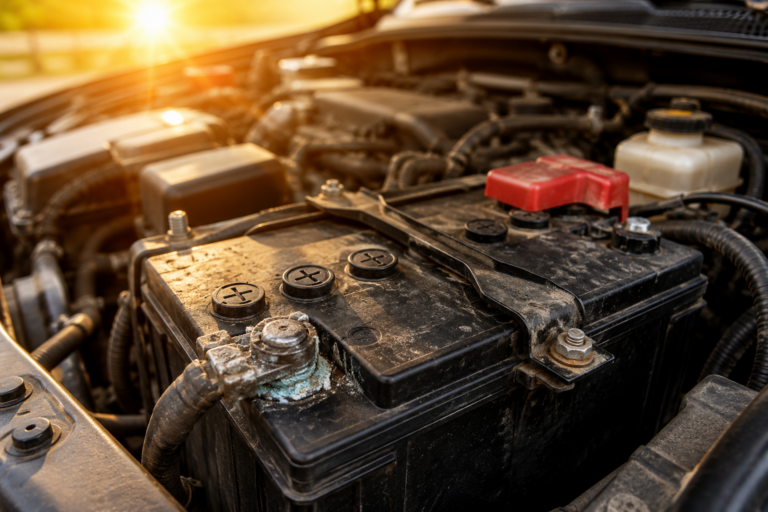
Summer heat can speed up the chemical reactions inside your car’s battery, potentially leading to overcharging and reduced lifespan. High temperatures can also cause battery fluid to evaporate, resulting in internal damage. To prevent battery issues, have your battery tested by a professional before the heat peaks. Look for signs of corrosion or leakage and ensure it is properly charged and maintained.
Engine Overheating
The risk of engine overheating increases significantly during summer. High temperatures put extra stress on your car’s cooling system. Regularly check your coolant levels and ensure your radiator and cooling system are functioning properly. Having a professional inspect your vehicle for potential issues, such as leaks or damaged hoses, can help prevent overheating.
Interior Fading and Cracking
The sun’s UV rays can cause your car’s interior to fade and crack over time. Dashboards, seats, and other interior components are particularly vulnerable to sun damage. To protect your car’s interior, use sunshades, park in shaded areas, and apply UV protectant to interior surfaces. Seat covers can also help protect upholstery, and keeping your windows slightly open can reduce the temperature inside your car.
Damage to the Paint and Exterior
Prolonged exposure to the sun can damage your car’s paint, causing it to fade and lose its shine. The heat can also make the paint more susceptible to scratches and other damage. Regularly washing and waxing your car helps protect the paint by creating a barrier against the sun’s rays and other environmental factors. If you park outside for extended periods, consider using a car cover.
The summer heat and sun can have a significant impact on your vehicle, from tire damage and battery failure to engine overheating and interior fading. By taking proactive measures—such as checking tire pressure, maintaining your battery and cooling system, and protecting your car’s interior and exterior—you can ensure your vehicle remains in top condition throughout the summer. Don’t let the summer heat take a toll on your car. Schedule a comprehensive vehicle check-up today to address any potential issues and keep your car running smoothly all season long. Regular maintenance and protective measures are key to avoiding costly repairs and ensuring your vehicle’s longevity.