
Serving All Makes & Models Since 1947
651-228-1316
982 Grand Ave • St. Paul, MN 55105
Mon-Fri: 7am - 6pm
982 Grand Ave • St. Paul, MN 55105
Mon-Fri: 7am - 6pm

Slick Roads this Winter and the Problems they Cause
 Winter roads, coated in ice and snow, present a unique set of challenges for drivers. Navigating these slick surfaces requires a combination of preparation, caution, and skill to ensure safety during the colder months. First and foremost, prioritize vehicle readiness. Invest in quality winter tires with sufficient tread depth to enhance traction on slippery roads. Regularly check tire pressure to ensure optimal performance. Equipping your vehicle with winter essentials, such as antifreeze and windshield washer fluid, is crucial to prevent freezing and maintain clear visibility. Before hitting the road, clear all windows, mirrors, and lights of ice and snow, and replace worn-out windshield wipers for improved visibility.
Slick Roads and Driving
Adapting your driving habits to winter conditions is crucial for a safe journey. The cardinal rule is to reduce your speed. Slower speeds provide better control, increased reaction time, and a decreased risk of accidents. Extend your following distance to compensate for the longer braking distances on icy surfaces. Implement smooth and gradual movements when accelerating, braking, and steering to avoid skidding. Sudden actions can lead to a loss of control, underscoring the importance of maintaining a gentle touch on the controls. If your vehicle starts to skid, steer in the direction you want to go and apply the brakes gently to regain stability. It’s imperative to remain calm; panic can impede decision-making in critical situations.
Know the Weather you are Driving in
Staying informed about weather conditions is paramount for safe winter driving. Before embarking on your journey, check local weather forecasts and road reports to anticipate potential challenges. If the weather is severe, consider delaying your trip or choosing alternative routes with better conditions. Exercise extra caution on bridges, overpasses, and shaded areas, as these locations are more susceptible to icy patches. Communication is key, so inform someone about your travel plans and ensure your mobile phone is charged for emergencies. By integrating vehicle preparedness, cautious driving practices, and proactive planning, drivers can confidently navigate slick winter roads, reducing the likelihood of accidents and ensuring a safer winter driving experience for themselves and others on the road.
Noticing your Car is no Longer blowing Warm Air?…Here is what to Check first!
 Discovering that your car heater isn’t functioning properly can be an unwelcome surprise, particularly when you need warmth during colder seasons. One common reason for a malfunctioning car heater is a low coolant level. The heater relies on hot coolant from the engine to generate warmth in the cabin. If the coolant level is too low, there might not be enough hot coolant circulating through the heater core, leading to a lack of warm air. Regularly checking and maintaining the proper coolant levels is a crucial step to ensure your car’s heater functions efficiently and provides the comfort you need during colder weather.
A malfunctioning thermostat is another frequent cause of a non-functional car heater. The thermostat plays a vital role in regulating the flow of coolant through the engine and heater core, determining when the heater should engage. If the thermostat is stuck open, it allows continuous coolant circulation, preventing it from reaching the required temperature to heat the air. Replacing a malfunctioning thermostat is a relatively straightforward solution that can restore the proper functioning of your car’s heater, ensuring a warm and comfortable driving experience.
Blocked or clogged heater cores are additional factors that can contribute to heating issues in your car. The heater core acts as a small radiator, transferring heat from the engine coolant to the air inside the vehicle. Over time, the heater core can accumulate debris or become obstructed, reducing its ability to produce warm air. Flushing the heater core or seeking professional assistance for a thorough cleaning can effectively address this issue. Regular maintenance practices, including checking coolant levels, replacing thermostats, and ensuring the heater core is clean, are essential for preventing heating-related problems in your car and maintaining a cozy driving environment, especially during colder temperatures. By addressing these common issues and incorporating regular maintenance into your car care routine, you can ensure that your car’s heater operates efficiently and keeps you warm during chilly drives.
Winter Driving and Staying Safe on the Road
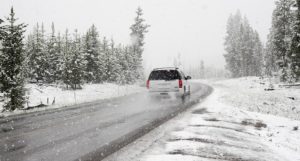 Winter driving requires a unique set of skills and precautions to navigate safely through icy and snowy conditions. A paramount tip is to adjust your driving speed to match the road conditions. Snow and ice drastically reduce traction, making roads slippery and hazardous. Slowing down provides better control over your vehicle and allows for more reaction time, reducing the risk of accidents. It’s crucial to drive below the speed limit in inclement weather and maintain a safe following distance, offering ample room for braking on icy surfaces.
Preparing for Winter Driving
Preparing your vehicle for winter is equally essential for a secure journey. Begin by checking your tires, the critical link between your car and the road. Consider switching to winter tires designed for enhanced traction in colder temperatures. Regularly check tire pressure and tread depth to ensure optimal performance. Routine vehicle maintenance is equally vital, focusing on the battery, brakes, lights, and fluids. Cold weather can strain the battery, so it’s crucial to ensure it’s in good condition and replace it if necessary. Top up windshield washer fluid with a winter-grade solution to prevent freezing, and keep your gas tank at least half full to avoid fuel line freeze-up. Equipping your vehicle with an emergency kit, including essentials like blankets, a flashlight, non-perishable snacks, and a snow shovel, adds an extra layer of preparedness for unforeseen situations on winter roads.
Always Check the Weather Conditions
Staying informed about weather conditions is a critical aspect of safe winter driving. Check the weather forecast before heading out and stay updated on any advisories or warnings. If conditions are severe, consider delaying your trip until the weather improves or explore alternative transportation methods better suited for challenging weather. Another essential tip is to avoid using cruise control on snowy or icy roads. Cruise control can hinder your ability to react quickly to changing road conditions, increasing the risk of accidents. Maintain manual control over your speed and exercise caution when accelerating or decelerating. Pay special attention to bridges, overpasses, and shaded areas, as these spots tend to freeze first. Approach these areas with reduced speed and avoid sudden movements to minimize the risk of skidding. By incorporating these tips into your winter driving routine, you can navigate winter roads more safely, reduce the likelihood of weather-related accidents, and ensure a more confident and secure driving experience in challenging conditions.
Windshield Wipers and Noticing when they should be Changed
Getting your Car Ready for Winter
Signs of Poor Windshield Wipers for your Car
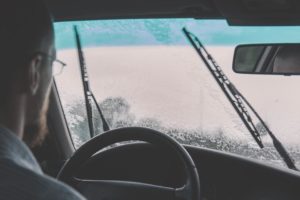 Windshield wipers are often taken for granted until they fail to do their job effectively, jeopardizing your safety and visibility on the road. Recognizing the signs of poor windshield wipers is crucial for maintaining a safe and comfortable driving experience. Here are some key indicators that it’s time to replace your wiper blades.
Issues from the Windshield Wipers
One of the most apparent signs of deteriorating wiper blades is streaking or smearing on the windshield. When your wipers leave streaks, patches, or even residues on the glass, it’s a clear signal that the rubber on the blades has worn down. This makes it difficult for the blades to make proper contact with the windshield. Streaks not only obstruct your vision but also create safety hazards, especially during heavy rain, snow, or sleet. To ensure clear visibility, inspect your wiper blades regularly, and if you notice streaks, replace them promptly.
Noises you Notice
Chattering or skipping is another common sign of poor windshield wipers. When the wipers make a chattering noise as they move across the windshield, it suggests that the blades are not sitting flat on the glass or have an uneven contact surface. This not only generates an annoying distraction but also reduces the wipers’ efficiency in clearing rain, snow, or debris. Prolonged use of chattering wipers may even lead to damage on the windshield itself. If you experience this issue, don’t delay—replace your wiper blades promptly to maintain optimal performance and prevent potential windshield damage.
Squeaking is yet another unmistakable sign of wiper blades that need replacement. The squeaking noise occurs when the rubber on the blades becomes dry and hardened, making it less effective at clearing your windshield. In addition to reduced efficiency, squeaking wipers can be an irritating distraction during your drive. To ensure clear visibility and a quieter driving experience, it’s essential to replace your wiper blades as soon as they start to produce this sound.
By paying attention to the signs of poor windshield wipers is essential for your safety and comfort while driving. Regular maintenance and timely replacement of wiper blades can ensure a clear and unobstructed view, even in adverse weather conditions. Don’t wait until you experience reduced visibility or dangerous driving situations due to poor wiper blades. By addressing these signs of wear and tear, you can maintain a clear windshield and a safer journey on the road.
Preparing Your Car for Fall: A Comprehensive Checklist
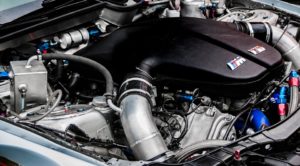 Preparing your vehicle for the fall weather is important. As the leaves begin to change and the air turns crisp, it’s time to shift your attention to a different kind of fall foliage – potentially affecting your car’s systems. Preparing your vehicle for the upcoming season is an essential step towards maintaining safety and performance. With a few simple checks and maintenance tasks, you can ensure your car is ready to handle the unique challenges that Fall presents.
Tires, Brakes, and Lights
One of the first areas to inspect is your tires. As we move into fall, wet leaves and occasional rain can make the roads slippery. Check your tire pressure and ensure it meets the manufacturer’s recommendations. Equally important is checking the tread depth. Worn-out tires can be a safety hazard in wet conditions, so consider replacing them if the tread is too shallow.
While ensuring your vehicle’s grip on the road, don’t overlook your brakes. They are a crucial part of safety. Check the condition of your brake pads and discs. If you notice any signs of wear, it’s wise to replace them now. Reliable brakes are essential, especially when navigating through slippery streets blanketed with fallen leaves.
As the days grow shorter in fall, your car’s lighting becomes increasingly important. Ensure that all your lights, including headlights, taillights, turn signals, and brake lights, are functioning correctly. Clean or replace any burnt-out bulbs to maintain visibility on the road. Good lighting isn’t just about your safety; it’s also essential for the safety of other drivers sharing the road with you.
Battery, Fluids, and Heating Systems
Fall’s cooler temperatures can put extra strain on your vehicle’s battery. Have it tested to confirm it can handle the coming season. Replacing an old or weak battery now can prevent you from getting stuck in the cold. Along with the battery, don’t forget to inspect other essential fluids in your car. This includes checking engine oil, transmission fluid, power steering fluid, and brake fluid. Maintaining proper fluid levels is crucial for keeping your vehicle running smoothly and preventing issues down the road.
With the approach of colder weather, your car’s heating and defrosting systems will play a more significant role in your daily comfort and safety. Make sure the HVAC system is cleaned and inspected for optimal performance. Replacing the cabin air filter can also improve interior air quality, ensuring a comfortable and healthy driving environment.
Preparing your car
To be fully prepared for any unexpected situations on the road, it’s advisable to keep an emergency kit in your car. Your kit should include items like a flashlight, blankets, first-aid supplies, and non-perishable snacks. These can be invaluable in case you find yourself in unforeseen circumstances while driving. Additionally, take the time to declutter your car and ensure it’s organized. Removing any unnecessary items not only makes your car more pleasant to be in but also reduces excess weight, which can improve fuel efficiency.
By conducting these fall car inspections and maintenance tasks, you can ensure your vehicle is well-prepared for the specific challenges of the season. Safety and reliability are essential, and a little effort now can save you from headaches and potential breakdowns later on. So, embrace the beauty of autumn, and let your well-prepared vehicle take you on a safe and enjoyable journey.
Checking the Lights this Fall
 Checking the lights this fall for your vehicle is important. As the days grow shorter and the nights longer, fall is the perfect time to consider enhancing the lighting on your car. Upgrading your vehicle’s lighting not only improves visibility but also plays a crucial role in enhancing safety during the darker months of the year.
Inspecting the Headlights
First and foremost, focus on upgrading your headlights. Traditional halogen bulbs are gradually being phased out in favor of more advanced options like LED (Light Emitting Diode) or HID (High-Intensity Discharge) headlights. LED headlights are renowned for their crisp, white light output and longer lifespan. They provide superior illumination, making nighttime driving safer and less straining on the eyes. HID headlights emit a bright, bluish-white light that closely resembles natural daylight, offering excellent visibility in various conditions. These upgrades not only enhance your ability to see the road clearly during fall’s early sunsets but also ensure that your vehicle is more conspicuous to other drivers, contributing to overall road safety.
Check the Taillights and Brake Lights
Secondly, don’t underestimate the importance of upgrading your taillights and brake lights. With fall’s unpredictable weather, including rain, fog, and falling leaves, visibility can be challenging. Your rear lights play a vital role in communicating your intentions to other drivers on the road. Replacing standard incandescent bulbs with LED equivalents is a smart choice. LED lights illuminate almost instantly, making your braking and turning signals more effective, especially in situations where quick reactions are essential. Some LED taillights even feature dynamic elements like sequential turn signals, adding a touch of style and innovation to your car’s rear end.
Checking the Lights inside your car
Lastly, consider enhancing your car’s interior and accent lighting. LED interior lights are energy-efficient and available in various colors, allowing you to create a customized ambiance within your vehicle’s cabin. Many modern cars come equipped with ambient lighting options that permit you to adjust the color and intensity of interior lighting to match your mood or preference. These upgrades not only elevate the aesthetics of your car’s interior but also contribute to a more enjoyable and comfortable driving experience, particularly during fall’s longer nighttime journeys.
As fall ushers in shorter days and reduced visibility, it’s an opportune time to think about enhancing the lighting on your car. Upgrading your headlights, taillights, brake lights, and interior lighting can significantly improve safety and visibility during the darker months. Whether you’re seeking better nighttime driving visibility, more effective communication with other drivers, or a cozier interior ambiance, a variety of lighting options are available to cater to your specific needs. Always ensure that any lighting modifications comply with local regulations to avoid legal issues, and consider consulting a professional for proper installation to maximize the benefits of these upgrades.
Fall Inspections and Why they Are Important
 Fall inspections are an important task to have done for your vehicle. As the autumn season rolls in with its cooler temperatures and shifting weather patterns, it’s crucial to consider what aspects of your vehicle should be inspected to ensure safe and trouble-free driving during the fall months. While many drivers focus on spring as the prime time for vehicle maintenance, the arrival of fall brings its own set of challenges. Here’s a breakdown of what should be inspected on your car this fall to keep it in optimal condition.
Fall Inspections for your Tires
First and foremost, let’s talk about tires. Your tires are your vehicle’s connection to the road, and their condition becomes even more critical as the weather changes. Start by checking tire pressure regularly, as the cooler fall temperatures can cause tire pressure to drop. Under-inflated tires can reduce fuel efficiency and handling performance. Next, examine the tire tread depth. Worn-out tires are dangerous, especially on wet and slippery roads, which are common during the fall. Ensure that your tires have sufficient tread depth for proper traction. If the tread is too shallow, consider replacing your tires to maintain safety and control.
Check the Brakes
Secondly, your brakes deserve special attention. Fall conditions often bring rain, fog, and the potential for frost, all of which can make roads slippery. Inspect your brake pads for wear and tear. If you notice any unusual noises, vibrations, or a longer stopping distance when you apply the brakes, it’s essential to have your braking system inspected and serviced by a qualified mechanic. Properly functioning brakes are critical for your safety.
Improving Visibility
Lastly, don’t overlook essential visibility components like lights and wipers. With shorter daylight hours and the increased likelihood of fog and precipitation during the fall, maintaining optimal visibility is crucial. Check that all your lights are working correctly, including headlights, taillights, brake lights, and turn signals. Replace any burned-out bulbs promptly. Additionally, inspect your windshield wipers for signs of wear, such as streaking or squeaking. If they are not effectively clearing the windshield, replace them to ensure clear visibility during inclement weather.
In conclusion, a comprehensive fall inspection of your vehicle should include a thorough check of your tires, brakes, and essential visibility components like lights and wipers. Addressing these areas proactively will enhance your safety and driving experience as you navigate the unique challenges that fall weather can present. Don’t underestimate the importance of vehicle maintenance during this transitional season. By following these guidelines, you’ll be better prepared for changing road conditions and can enjoy a safe and comfortable driving experience throughout the fall months.
Mileage Improvement Tips and What to Do
 Improving the mileage of your vehicle not only saves you money on fuel but also contributes to a greener and more sustainable environment. Here are some effective strategies to help you enhance your fuel efficiency and make the most of every drop of gas.
Fuel Efficient Tips
Firstly, adopting fuel-efficient driving habits can have a significant impact on your mileage. Avoiding aggressive driving behaviors such as rapid acceleration, sudden braking, and excessive speeding can lead to unnecessary fuel consumption. Instead, practice smooth and gradual acceleration, maintain a steady speed, and anticipate traffic conditions to minimize the need for sudden stops. Utilizing cruise control on highways can help you maintain a consistent speed, which in turn improves your vehicle’s fuel efficiency.
Regular Care
Secondly, proper vehicle maintenance is essential for optimal mileage. Regularly servicing your vehicle, including changing the oil, replacing air filters, and ensuring proper tire maintenance, can greatly impact your fuel economy. Underinflated tires create more rolling resistance, making your engine work harder and using more fuel. Make sure your tires are inflated to the recommended pressure levels as specified by the manufacturer. Additionally, using the correct grade of motor oil and ensuring your engine is well-tuned can also contribute to improved fuel efficiency.
Extra tips for Better Mileage
Lastly, minimizing excess weight and reducing aerodynamic drag can further boost your mileage. Remove any unnecessary items from your vehicle, especially those stored in the trunk or on the roof, as extra weight increases fuel consumption. Similarly, roof racks and cargo carriers create wind resistance, decreasing your vehicle’s efficiency. If not in use, consider removing them to improve your vehicle’s aerodynamics and save on fuel costs.
By implementing these strategies into your driving routine, you can significantly improve your vehicle’s mileage and decrease your carbon footprint. Combining fuel-efficient driving habits, regular vehicle maintenance, and optimizing your vehicle’s load and aerodynamics can lead to better fuel efficiency. Not only will these practices save you money on fuel expenses, but they will also contribute to a more environmentally conscious way of driving.