
Slick Roads this Winter and the Problems they Cause
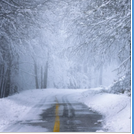 Winter roads, coated in ice and snow, present a unique set of challenges for drivers. Navigating these slick surfaces requires a combination of preparation, caution, and skill to ensure safety during the colder months. First and foremost, prioritize vehicle readiness. Invest in quality winter tires with sufficient tread depth to enhance traction on slippery roads. Regularly check tire pressure to ensure optimal performance. Equipping your vehicle with winter essentials, such as antifreeze and windshield washer fluid, is crucial to prevent freezing and maintain clear visibility. Before hitting the road, clear all windows, mirrors, and lights of ice and snow, and replace worn-out windshield wipers for improved visibility.
Slick Roads and Driving
Adapting your driving habits to winter conditions is crucial for a safe journey. The cardinal rule is to reduce your speed. Slower speeds provide better control, increased reaction time, and a decreased risk of accidents. Extend your following distance to compensate for the longer braking distances on icy surfaces. Implement smooth and gradual movements when accelerating, braking, and steering to avoid skidding. Sudden actions can lead to a loss of control, underscoring the importance of maintaining a gentle touch on the controls. If your vehicle starts to skid, steer in the direction you want to go and apply the brakes gently to regain stability. It’s imperative to remain calm; panic can impede decision-making in critical situations.
Know the Weather you are Driving in
Staying informed about weather conditions is paramount for safe winter driving. Before embarking on your journey, check local weather forecasts and road reports to anticipate potential challenges. If the weather is severe, consider delaying your trip or choosing alternative routes with better conditions. Exercise extra caution on bridges, overpasses, and shaded areas, as these locations are more susceptible to icy patches. Communication is key, so inform someone about your travel plans and ensure your mobile phone is charged for emergencies. By integrating vehicle preparedness, cautious driving practices, and proactive planning, drivers can confidently navigate slick winter roads, reducing the likelihood of accidents and ensuring a safer winter driving experience for themselves and others on the road.