

The Cold Hard Truth: Why Your Car Won’t Start in Winter (And It’s Not the Battery)
When winter temperatures drop, one of the most common problems drivers face is turning the key only to discover their car won’t start. Cold weather is notoriously hard on vehicles, and while many people immediately blame the battery, the truth is that winter exposes weaknesses throughout your car’s entire starting system.
If your car won’t start during winter, the battery may not be the real issue at all. Understanding the other common cold-weather causes can help you avoid repeated breakdowns and unexpected repair bills during the harshest months of the year.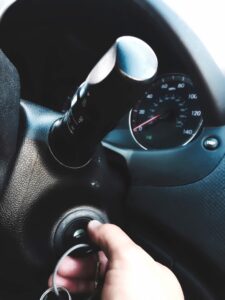
Why Winter Makes Starting Problems Worse
Cold temperatures slow chemical reactions, thicken fluids, and increase resistance in electrical systems. Even parts that worked fine in summer can fail once winter arrives. That’s why starting issues are far more common in freezing conditions, especially in regions with long, cold winters.
When a car won’t start in winter, the problem is often a component that was already worn and finally failed once the temperature dropped.
The Battery Isn’t Always the Problem
Yes, batteries are vulnerable to cold weather. However, modern batteries often get blamed unfairly. If your headlights turn on, interior lights work, or the engine attempts to crank, your battery may still be healthy.
If your car won’t start consistently in cold weather, another system may be struggling under winter stress.
1. Starter Motors Struggle in Cold Weather
The starter motor works harder in winter because engine oil thickens and internal resistance increases. A weak starter may function fine in warm weather but fail when temperatures drop.
Winter warning signs of a failing starter:
-
A single click when trying to start
-
Slow or labored cranking
-
Intermittent starting on cold mornings
-
Complete failure after several cold starts
If your car won’t start on the coldest days but works later in the afternoon, the starter is a likely culprit.
2. Thickened Engine Oil Increases Resistance
Cold temperatures cause oil to thicken, making it harder for the engine to turn over. If the oil is old or the wrong viscosity for winter driving, the engine may struggle to crank.
This extra strain affects:
-
Starter motor
-
Battery output
-
Engine internals
Using the correct winter-grade oil is critical if your car won’t start reliably in freezing temperatures.
3. Fuel System Problems Caused by Cold Weather
Winter fuel issues are more common than many drivers realize.
Common cold-weather fuel problems include:
-
Frozen or restricted fuel lines
-
Moisture in the fuel system
-
Failing fuel pumps stressed by cold starts
-
Clogged fuel filters
If the engine cranks but your car won’t start, fuel delivery may be restricted due to winter conditions.
4. Ignition System Failures in Freezing Temperatures
Spark plugs, ignition coils, and wiring components degrade over time. Cold weather increases electrical resistance, making marginal ignition parts fail completely.
Signs of winter ignition problems: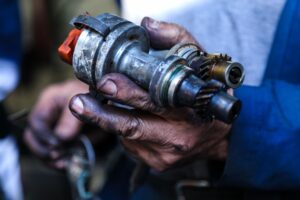
-
Rough starting followed by stalling
-
Misfires after starting
-
Poor fuel economy
-
Longer cranking times
When ignition components fail, your car won’t start or may start briefly and shut off.
5. Alternator Failure That Looks Like a Battery Issue
In winter, electrical demand increases due to heaters, defrosters, and headlights. A weak alternator may not keep the battery charged.
If your car won’t start after being driven recently, the alternator may not be replenishing the battery properly. Jump-starting the vehicle may help temporarily, but the issue will return.
6. Anti-Theft and Key Recognition Problems in Winter
Cold weather can affect key fobs, immobilizers, and security systems. Weak key fob batteries are especially common during winter.
Symptoms include:
-
Flashing security light
-
Engine cranks but immediately shuts off
-
No response when starting
If your car won’t start and security indicators are active, the issue may not be mechanical at all.
7. Sensors That Fail in Cold Temperatures
Modern vehicles rely heavily on sensors such as crankshaft and camshaft position sensors. These sensors can fail when exposed to extreme temperature changes.
Winter sensor failure symptoms:
-
Engine cranks but won’t start
-
Check engine light appears
-
Sudden loss of power before failure
Sensor problems are a frequent reason a car won’t start unexpectedly during cold snaps.
8. Transmission Safety Switch Issues
Cold weather can affect switches and linkages. If your transmission’s neutral safety switch is malfunctioning, the vehicle may not recognize that it’s in Park.
If your car won’t start, try starting it in Neutral. If it works, the safety switch may need inspection.
What to Do When Your Car Won’t Start in Winter
If you’re stuck on a cold morning, take these steps before calling for assistance: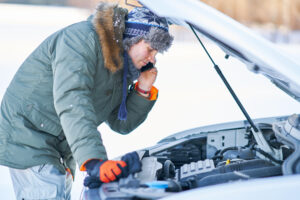
-
Make sure the vehicle is fully in Park
-
Check for dashboard warning lights
-
Listen for clicking, cranking, or silence
-
Turn off accessories like heat and lights
-
Try a spare key or key fob
-
Avoid repeated start attempts that can drain the battery
If your car won’t start repeatedly in winter, it’s time for professional diagnosis.
Preventing Winter No-Start Problems
The best way to avoid winter breakdowns is preventative maintenance.
Key winter checks include:
-
Battery and charging system testing
-
Starter performance testing
-
Correct oil viscosity for winter
-
Fuel system inspection
-
Ignition system evaluation
Cold weather doesn’t create problems — it exposes them.
Why Professional Diagnosis Is Critical in Winter
When a car won’t start, replacing parts based on guesswork often leads to wasted money. Professional diagnostics can quickly identify whether the issue is electrical, fuel-related, or mechanical.
A trained technician can test systems under cold-start conditions and prevent future failures before they leave you stranded in freezing temperatures.
Final Thoughts
When your car won’t start in winter, the battery is often blamed — but it’s rarely the whole story. Cold weather puts extra stress on starters, alternators, fuel systems, sensors, and ignition components, exposing problems that may have gone unnoticed during warmer months. Ignoring early warning signs can turn a minor issue into a major inconvenience, especially when temperatures are at their lowest.
If your vehicle is struggling to start or has already left you stranded in the cold, a professional inspection can identify the real cause before it gets worse. Scheduling service early can help prevent unexpected breakdowns and costly emergency repairs during winter. You can easily schedule an appointment online here to have your vehicle inspected by experienced technicians.
Catching starting issues now can mean the difference between a smooth winter and one filled with frustrating no-start mornings.