
Critical Warning Signs You Should Never Ignore: Transmission Problems Explained
Your vehicle’s transmission plays a critical role in how your car performs every time you drive. It’s responsible for transferring power from the engine to the wheels and ensuring your vehicle shifts smoothly through each gear. When transmission problems begin, they often start subtly — a slight delay here, a small noise there — but they rarely stay small for long.
Many drivers don’t realize something is wrong until the symptoms become severe. By that point, what could have been a relatively simple repair may turn into a much larger and more expensive issue. Understanding how to recognize transmission problems early can make all the difference in protecting your vehicle and avoiding unexpected breakdowns.
Early Signs Your Transmission Is Struggling
One of the first signs people notice is a change in how their vehicle shifts. You might feel a hesitation when moving from Park to Drive, or a noticeable delay before the car actually begins to move. In other cases, the shifting may feel rough or jerky instead of smooth and consistent. These changes often point to early transmission problems and shouldn’t be ignored, even if the vehicle still seems drivable.
Another common issue is slipping. This happens when the engine revs higher than normal without a matching increase in speed. It can feel like the vehicle is struggling to stay in gear or having trouble maintaining power. Slipping can be unpredictable and, in some cases, unsafe, especially when merging or accelerating.
Strange Noises and What They Mean
Your vehicle will often make noise before a major failure occurs. Transmission problems can show up as whining, grinding, or clunking sounds, especially when shifting gears. These noises may start quietly and gradually become louder or more frequent over time.
While it can be tempting to ignore a faint sound, it’s usually an early warning that internal components are wearing down. Addressing these sounds early can prevent more serious damage and help avoid costly repairs later.
The Role of Transmission Fluid
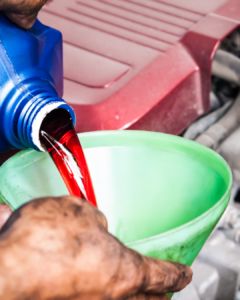 Transmission fluid is essential to the health of your vehicle. It lubricates internal parts, controls heat, and allows the system to operate smoothly. When fluid becomes low, dirty, or begins to leak, transmission problems are almost guaranteed.
You might notice red or dark fluid under your vehicle or pick up on a burning smell while driving. That smell is often a sign that the transmission is overheating, which can quickly lead to internal damage if left unchecked. Regular fluid checks and maintenance go a long way in preventing these issues.
When Warning Lights Appear
Sometimes, the only indication of transmission problems is a light on your dashboard. Modern vehicles are equipped with sensors that monitor performance, and when something isn’t right, a warning is triggered.
Even if your vehicle seems to be driving normally, a warning light should never be ignored. It’s often one of the earliest signs that something needs attention, and catching it early can help prevent more serious problems down the road.
What Causes Transmission Problems
There are several common reasons transmission problems develop. One of the biggest is a lack of routine maintenance. Over time, transmission fluid breaks down and loses its effectiveness, leading to increased friction and wear on internal components.
Heat is another major factor. Driving in heavy traffic, towing, or operating the vehicle with low fluid levels can cause the transmission to overheat. Excess heat accelerates wear and can lead to serious damage if not addressed.
Driving habits also play a role. Frequent hard acceleration, abrupt stops, and aggressive driving can put extra strain on the transmission. While vehicles are designed to handle normal driving conditions, consistent stress can shorten the lifespan of key components.
Why Early Action Matters
Transmission problems don’t usually go away on their own. In most cases, they get worse over time. What starts as a minor issue — like a small delay in shifting or a slight noise — can eventually lead to major repairs if ignored.
Many people assume that transmission work is always expensive, but that’s not necessarily true. Catching issues early can often mean simpler, more affordable repairs. A fluid service or minor adjustment is far less costly than a full rebuild or replacement.
Paying attention to how your vehicle feels and responding quickly to changes can make a significant difference in both cost and reliability.
Conclusion
Transmission problems are not something to ignore. From rough shifting and strange noises to fluid leaks and slipping gears, your vehicle provides clear warning signs when something isn’t right. Acting early when these symptoms appear can help prevent major damage, improve performance, and avoid more expensive repairs down the road.
If you’ve noticed any of these warning signs or your vehicle just doesn’t feel like it’s shifting the way it should, it’s a good idea to have it looked at before the issue gets worse. If you have questions or want to have your vehicle checked out, contact us here and we’ll be happy to help.
Further Reading & Sources
- https://exchange.aaa.com/automotive/repair/transmission-problems/
- https://www.consumerreports.org/cars/car-maintenance/transmission-problems-and-how-to-prevent-them-a1136120990/
- https://www.cars.com/articles/6-signs-of-transmission-problems-1420663047477/
- https://www.nhtsa.gov/road-safety/vehicle-maintenance