
TPMS Light Driving You Crazy? Here’s What It’s Really Telling You
TPMS Light: What It Means & Why You Should Care
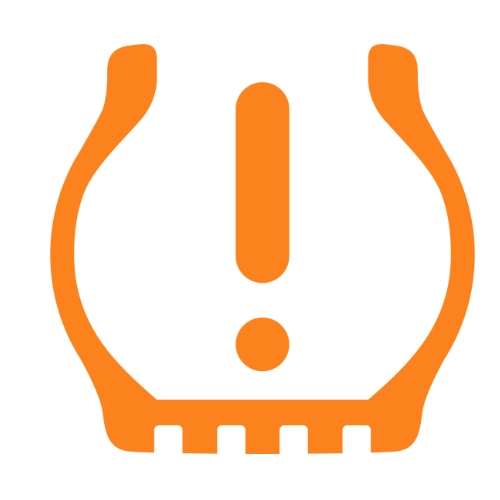
 You’ve been cruising through St. Paul on a chilled morning, when suddenly that little TPMS light—a horseshoe-shaped icon with an exclamation mark—flashes to life on your dashboard. Is it a false alarm from the cold? Or is your car actually trying to tell you something critical? In this post, we’ll explain what that TPMS light really signifies, why it’s especially important here in Minnesota, and what steps every driver should take—like visiting Lloyd’s Automotive—to stay safe and road-ready.
1. TPMS Light 101: Understanding the Warning
TPMS stands for Tire Pressure Monitoring System. This system uses sensors in your tires (or indirectly via wheel speed) to alert you when air pressure is significantly low—or in some cases, high—relative to your vehicle’s recommended specs.
-
A steady light means one or more tires are below the recommended pressure.
-
A blinking light typically indicates a malfunction in the TPMS sensors or the system itself.
To learn more about diagnosing dash lights, visit our post on Engine Diagnostics in St. Paul.
2. Why Minnesota’s Seasons Trigger the TPMS Light
Minnesota’s extremes—like winter dips and summer spikes—can shift tire pressure enough to trip the TPMS warning.
-
Cold air contracts, causing tire pressure to drop, often setting off your TPMS light during morning drives.
-
Hot temperatures expand air, which can lead to overinflation or falsely stable readings.
For similar seasonal advice, check out our blog: Getting Your Vehicle Ready for Winter.
3. First Things First: Check Your Tire Pressure
As soon as the TPMS light turns on:
-
Safely pull over and manually check tire pressure.
-
Use the placard inside the driver’s door (not the sidewall) for correct PSI.
-
Inflate or deflate as needed to match manufacturer specifications.
Monthly tire checks are one of the easiest ways to prevent breakdowns. You can also learn about proper Wheel Alignments and Tire Care on our blog.
4. Light Still On? Here’s Why—and What to Do
If the light remains after adjusting pressure:
-
You may have a dead sensor battery.
-
Your system may need to relearn new tire positions after a rotation.
-
There could be communication errors or system damage.
Visit our services page to schedule a TPMS diagnostic check. We have the tools and experience to fix sensor issues and restore full function to your system.
5. How to Reset or Relearn Your TPMS
Some vehicles allow manual resets via a dashboard button or infotainment screen. Others require a relearn tool, which our ASE-certified technicians use at Lloyd’s Automotive.
If your TPMS light is stubborn or flashing, don’t wait—delayed action may mask a serious safety issue.
6. Flashing TPMS Light? Get It Checked ASAP
A flashing TPMS light typically means your system is not reading tire pressure at all. It could be:
-
A failed sensor
-
Signal interference
-
Incorrect sensor programming
This is a great time to visit us for a quick diagnosis. You can contact Lloyd’s Automotive or stop by our St. Paul shop for fast, friendly service.
7. TPMS Service at Lloyd’s Automotive
At Lloyd’s Automotive:
-
We inspect, reset, or replace TPMS sensors.
-
We reprogram sensors after tire rotations or seasonal changes.
-
We ensure your system is calibrated and accurate in every season.
Our team also helps with other smart vehicle systems. Curious how battery systems interact with onboard tech? Read our article on Car Battery Replacement in St. Paul.
8. TPMS Maintenance Tips for St. Paul Drivers
-
Avoid tire sealants unless labeled TPMS-safe.
-
Replace valve stems when mounting new tires.
-
Have winter wheels professionally programmed if they use separate sensors.
-
Plan for sensor replacement every 5–7 years.
Keeping your TPMS system working properly protects your tires, fuel economy, and—most importantly—your safety.
9. Final Takeaway
The TPMS light isn’t just a dashboard annoyance—it’s a critical early-warning system. Especially in Minnesota’s fluctuating temperatures, your tire pressure affects how your car grips the road, handles emergency stops, and conserves fuel.
-
If the light is steady, check your pressure.
-
If the light is blinking, it’s time to schedule a repair.
-
Trust Lloyd’s Automotive of St. Paul for expert TPMS care that keeps your vehicle safe year-round.
Sources
-
Bridgestone: https://www.bridgestonetire.com/learn/maintenance/tpms-light-on/
-
Les Schwab: https://www.lesschwab.com/article/car-maintenance/how-to-reset-tire-pressure-light.html
-
Redi-Sensor: https://www.redi-sensor.com/tpms-warning-light-tells-more-than-one-tale/
-
Wikipedia: https://en.wikipedia.org/wiki/Tire-pressure_monitoring_system