
Warning Signs You Should Never Ignore: Strange Noises and What They Could Mean
Most vehicles give warning signs before a major failure happens. One of the most common — and most ignored — signals is strange noises. A squeal, grind, knock, or rattle may seem minor at first, but those sounds are often your vehicle’s way of telling you something needs attention.
Understanding what strange noises mean can help you prevent breakdowns, avoid costly repairs, and keep your vehicle safe on the road. Below is a breakdown of common vehicle sounds, what causes them, and when you should take action.
Why Strange Noises Matter
Modern vehicles are built with hundreds of moving components. When everything is working properly, those parts operate smoothly and relatively quietly. When something wears out, becomes loose, or fails, friction and vibration create strange noises.
Ignoring those sounds can lead to:
-
Increased repair costs
-
Reduced fuel efficiency
-
Safety hazards
-
Sudden breakdowns
Catching problems early often means simpler, less expensive repairs.
Squealing or Screeching Sounds
High-pitched squealing is one of the most common strange noises drivers report.
Possible causes include:
1. Worn Brake Pads
If you hear a sharp squeal when applying the brakes, it may be the brake wear indicator. Many brake pads are designed to make noise when they are nearing the end of their lifespan.
If ignored, the sound may turn into grinding — a sign that the brake pads are completely worn and damaging the rotors.
2. Worn or Loose Serpentine Belt
A squealing sound under the hood, especially when starting the vehicle or accelerating, may indicate a worn or loose belt. Cold weather can make this more noticeable.
Belts are critical to powering the alternator, water pump, and other essential systems. If the belt fails, you could lose multiple vehicle functions at once.
Grinding Noises
Grinding is one of the most serious strange noises you can hear.
Common causes include:
1. Brake Failure
If you hear grinding while braking, it often means the brake pads are completely worn through. Metal components are now contacting each other, which can damage rotors and increase stopping distance.
2. Transmission Problems
Grinding while shifting gears, especially in manual transmissions, may indicate clutch wear or transmission damage.
3. Wheel Bearing Issues
A grinding or growling noise that increases with speed may point to a worn wheel bearing. Failing wheel bearings can affect vehicle stability and safety.
Knocking or Pinging Sounds
A knocking sound coming from the engine should never be ignored.
Possible causes:
1. Engine Detonation
Improper fuel combustion can create a knocking or pinging noise. This may be caused by low-quality fuel, carbon buildup, or ignition timing issues.
2. Worn Engine Bearings
A deeper knocking sound that increases with engine speed could indicate worn internal engine components. This type of issue requires immediate inspection to prevent major engine damage.
When it comes to strange noises, engine knocks are among the most urgent to diagnose.
Rattling Sounds
Rattling is often caused by loose or unsecured components.
Common sources include:
-
Loose exhaust components
-
Heat shields vibrating
-
Suspension components wearing out
-
Loose interior panels
If the rattling occurs while driving over bumps, suspension components such as sway bar links or shocks may be worn.
Humming or Buzzing Noises
 A steady humming noise that increases with speed may point to:
-
Tire wear issues
-
Wheel bearing problems
-
Differential issues
Uneven tire wear can create strange noises that resemble mechanical problems. Rotating tires regularly helps prevent this.
Clicking Sounds
Clicking sounds often indicate electrical or joint issues.
Common causes:
1. Failing CV Joints
A clicking sound while turning, especially during slow maneuvers, often signals a worn CV joint.
2. Weak Battery or Starter
Rapid clicking when turning the key may indicate a weak battery or failing starter motor.
Although clicking may seem minor, it can quickly lead to a no-start condition.
Whining or Howling Noises
Whining sounds are often linked to drivetrain or power steering systems.
Possible causes:
-
Low power steering fluid
-
Failing power steering pump
-
Transmission issues
-
Differential wear
If the sound changes with steering input, the power steering system is a likely culprit.
Hissing Sounds
A hissing sound may indicate a leak.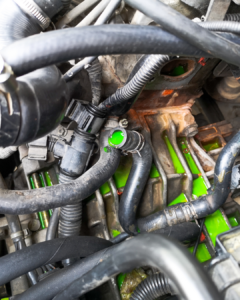
Common sources:
-
Vacuum leaks
-
Cooling system leaks
-
Heater core issues
If you notice strange noises accompanied by overheating or fluid loss, immediate service is recommended.
Thumping or Banging Sounds
A thumping noise while driving may be caused by:
-
Tire damage or flat spots
-
Suspension problems
-
Loose exhaust components
If the sound worsens at higher speeds, tire issues should be checked promptly.
When Strange Noises Are Most Noticeable
Strange noises often become more noticeable:
-
During cold weather
-
After hitting potholes
-
During acceleration
-
While braking
-
When turning
Changes in driving conditions can expose worn components that may have been borderline failing.
Why You Shouldn’t Ignore Strange Noises
It’s easy to turn up the radio and hope a sound goes away. However, strange noises rarely fix themselves. Small issues can quickly escalate into larger repairs.
For example:
-
Replacing brake pads is far less expensive than replacing pads and rotors.
-
Fixing a minor exhaust rattle costs less than repairing a broken catalytic converter.
-
Addressing suspension wear early can prevent uneven tire damage.
Prompt diagnosis protects both your vehicle and your wallet.
How Professional Diagnosis Helps
Modern repair shops use digital inspection tools and diagnostic equipment to pinpoint the source of strange noises accurately. Rather than guessing, technicians can identify the exact component causing the issue.
Professional inspections typically include:
-
Road testing
-
Brake and suspension checks
-
Belt and hose inspections
-
Fluid level evaluations
-
Diagnostic scanning
This thorough approach ensures the root cause is identified correctly the first time.
Preventing Strange Noises Before They Start
Routine maintenance is the best way to prevent strange noises from developing.
Recommended preventive steps include:
-
Regular brake inspections
-
Tire rotations and alignments
-
Fluid checks and replacements
-
Belt and hose inspections
-
Suspension evaluations
Preventive maintenance reduces wear and catches minor issues before they become major repairs.
Conclusion
Strange noises are your vehicle’s early warning system. Whether it’s squealing brakes, grinding gears, knocking under the hood, or rattling beneath the vehicle, every sound has a cause. Ignoring those sounds can lead to bigger, more expensive problems and potential safety risks.
If you’re hearing strange noises and aren’t sure what they mean, having your vehicle inspected promptly can prevent further damage and give you peace of mind. Addressing unusual sounds early often saves money and avoids unexpected breakdowns. To have your vehicle professionally inspected, you can schedule service online here.
Taking action now can keep minor concerns from becoming major repairs.