Essential Brake Repair Checklist for Minnesota Drivers: Signs Your Pads or Rotors Need Attention
Introduction
Brakes are the most critical safety feature of your vehicle. A well-functioning brake system ensures you can stop safely, maintain control, and prevent accidents. Minnesota drivers face unique driving challenges, including icy winter roads, potholes, and stop-and-go traffic, which can all put extra stress on your brakes.
Understanding the signs that your brake pads or rotors need attention is crucial. This brake repair checklist helps Minnesota drivers identify issues early, save money on costly repairs, and maintain safe driving conditions.
Understanding Your Brake System
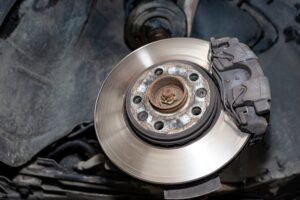
Before diving into brake repair signs, it’s helpful to know the key components of your vehicle’s braking system:
-
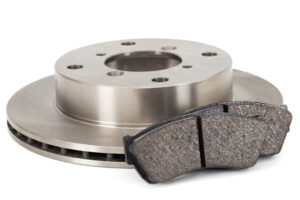
Brake Pads: These pads press against the rotors to create friction and slow the vehicle. They wear down over time and require replacement.
-
Rotors: Metal discs that work with the brake pads. Warped or damaged rotors reduce braking efficiency.
-
Calipers: Components that hold the brake pads and push them against the rotor when the pedal is pressed.
-
Brake Fluid: Transfers force from the brake pedal to the calipers. Low or contaminated fluid affects braking performance.
Neglecting any of these components can result in longer stopping distances, reduced control, and expensive repairs.
Signs Your Brakes Need Repair
Brake issues often start small but can become severe if ignored. Minnesota drivers should watch for these common warning signs:
1. Squeaking or Squealing Noises
A high-pitched squeal is often the first sign that brake pads are worn. Many pads have built-in wear indicators that make this noise when it’s time for replacement. Ignoring the squeal can lead to rotor damage.
2. Grinding or Growling Sounds
Grinding usually means the pads are completely worn down, causing metal-to-metal contact with the rotor. This requires immediate brake repair.
3. Vibration or Pulsation When Braking
If the brake pedal or steering wheel vibrates when you brake, your rotors may be warped. Uneven rotors reduce stopping power and can be dangerous in emergency situations.
4. Longer Stopping Distances
If your car takes longer to stop than usual, it may indicate worn pads, glazed rotors, or low brake fluid. Reduced braking efficiency is a serious safety concern.
5. Pulling to One Side
A vehicle that pulls to the left or right while braking may have uneven pad wear or a stuck caliper. This not only reduces control but can also cause uneven tire wear.
6. Soft or Spongy Brake Pedal
A soft pedal that sinks toward the floor could indicate air in the brake lines or low fluid levels. Immediate brake inspection and repair are necessary to ensure safety.
7. Brake Warning Lights
Many vehicles have a brake warning light on the dashboard. This light can signal worn pads, low brake fluid, or other malfunctions. Never ignore it.
Common Causes of Brake Wear
Brake wear can result from several factors:
 Normal Use: Brakes naturally wear down over time, especially with frequent city driving.
Harsh Weather Conditions: Minnesota winters with snow, ice, and road salt accelerate brake wear.
Aggressive Driving: Rapid stops and heavy braking put extra stress on pads and rotors.
Lack of Maintenance: Skipping inspections or fluid changes can lead to premature wear.
Brake Repair Process
When you schedule brake repair, a professional technician follows a systematic process:
-
Inspection: Pads, rotors, calipers, and brake fluid are examined for wear and damage.
-
Brake Pad Replacement: Worn pads are removed and replaced with new ones.
-
Rotor Replacement: Damaged or warped rotors are replaced.
-
Brake Fluid Check or Flush: Fluid is tested for contamination and replaced if necessary.
-
System Testing: The vehicle is test-driven to confirm proper brake function.
Professional brake repair ensures safety, prevents further damage, and maintains manufacturer specifications.
Brake Repair Costs
Costs vary depending on vehicle type, parts, and service required:
-
Brake Pads Replacement: $100–$250 per axle
-
Rotor Replacement: $200–$400 per axle
-
Brake Caliper Replacement: $300–$600 per caliper
-
Brake Fluid Flush: $70–$120
Regular maintenance and timely brake repair prevent more expensive issues such as rotor damage or suspension problems.
Preventing Brake Issues
Minnesota drivers can extend brake life by following these tips:
-
Regular Inspections: Have brakes inspected every 10,000–15,000 miles.
-
Smooth Braking: Avoid sudden stops to reduce pad and rotor wear.
-
Check Brake Fluid: Keep fluid at recommended levels and replace it according to schedule.
-
Rotate Tires: Promotes even brake and tire wear.
-
Replace Pads Early: Don’t wait until pads are completely worn; early replacement protects rotors.
Benefits of Timely Brake Repair
Timely brake repair offers several advantages:
-
Enhanced Safety: Reliable brakes reduce the risk of accidents.
-
Lower Costs: Prevents rotor damage and additional repairs.
-
Improved Vehicle Performance: Smooth braking enhances driving comfort.
-
Extended Component Life: Maintains the longevity of pads, rotors, and calipers.
When to Schedule Brake Repair
Schedule brake service immediately if you notice any warning signs: squealing, grinding, vibrations, pulling, soft pedal, or dashboard warning lights. Regular inspections, especially before winter or long trips, are essential for safety.
For Minnesota drivers, working with a trusted auto service ensures expert inspection, quality parts, and reliable repairs to keep your brakes in top condition.
Conclusion
Brake maintenance is essential for vehicle safety, performance, and longevity. Minnesota drivers face additional challenges like winter conditions, potholes, and stop-and-go traffic, which increase brake wear. Recognizing warning signs, following this brake repair checklist, and scheduling timely service will protect you and your passengers while saving money on costly repairs.
Contact Lloyd’s Automotive here today to schedule a brake inspection or service and ensure your vehicle is ready for Minnesota roads.
Further Reading
-
AAA – Brake Service Tips
https://www.aaa.com/autorepair/articles/brake-service -
Firestone Complete Auto Care – Brake Repair Services
https://www.firestonecompleteautocare.com/maintenance/brake-repair/ -
YourMechanic – Signs You Need Brake Pads Replaced
https://www.yourmechanic.com/article/how-to-know-if-your-brake-pads-need-replacement