
Serving All Makes & Models Since 1947
651-228-1316
982 Grand Ave • St. Paul, MN 55105
Mon-Fri: 7am - 6pm
982 Grand Ave • St. Paul, MN 55105
Mon-Fri: 7am - 6pm

Pothole Damage if you Hit one
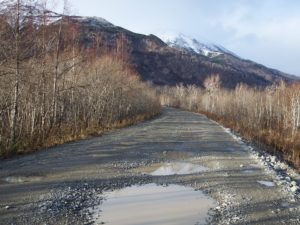 Hitting a pothole can cause havoc on your vehicle. Additionally, hitting a pothole can cause the vehicle’s wheels to become misaligned, which can affect the vehicle’s handling and stability. This can be especially dangerous if the vehicle is traveling at high speeds or if the road conditions are wet or icy.
Damage when you hit a Pothole
Also, hitting a pothole can cause damage to the vehicle’s suspension system, tires, and wheels. The impact can cause the suspension to compress and rebound rapidly, putting stress on the shocks, struts, and other components. It can also cause the tires to become punctured or damaged and the wheels to become bent or cracked. This damage can be costly to repair and can affect the overall safety and performance of the vehicle.
In addition to the immediate effects of hitting a pothole, there are also long-term consequences. Potholes can worsen over time if they are not repaired, and can eventually become large enough to cause serious damage to vehicles. They can also contribute to wear and tear on the road surface, leading to more potholes and a rougher ride for drivers. Always make sure to bring your vehicle in for an inspection incase you hit one. We can give it a bumper to bumper inspection. Also, we can check for any parts or components that have become damaged on the vehicle.
Overall, hitting a pothole can be an unpleasant and potentially costly experience for drivers and their vehicles. To minimize the risk of hitting a pothole, it’s important to stay alert while driving, especially in areas where potholes are common. If you do hit a pothole, be sure to check your vehicle for any signs of damage and have it repaired as soon as possible to prevent further damage and ensure your safety on the road.
Driving in the Winter
 Driving in the winter presents a number of challenges that can make it difficult to navigate the roads safely. One of the biggest challenges is the presence of snow and ice on the roads. These conditions reduce traction and make it more difficult to control your vehicle, increasing the risk of accidents. Snow and ice can also obscure road markings and make it harder to see hazards, making it more difficult to navigate the roads safely.
Driving in the winter and visibility
Another significant challenge of driving in the winter is reduced visibility. Snow, sleet, and fog can significantly impair your ability to see the road ahead and other vehicles on the road. This can make it more difficult to anticipate hazards and react quickly, increasing the risk of accidents. In addition, reduced visibility can make it more difficult to navigate unfamiliar roads, increasing the risk of getting lost or taking a wrong turn.
Dropping Temperatures
Cold temperatures are another challenge of driving in the winter. Cold weather can negatively affect your vehicle’s performance, leading to issues such as a dead battery, frozen fuel lines, or malfunctioning brakes. It can also make it uncomfortable to drive, especially if your car’s heater is not functioning properly. Cold temperatures can also make it more challenging to stay alert and focused on the road, increasing the risk of accidents.
Finally, driving in the winter can be challenging due to the behavior of other drivers on the road. Not all drivers may be prepared for winter driving conditions, and some may not adjust their driving habits accordingly. This can increase the risk of accidents and make it more challenging to navigate the roads safely. It’s important to remain vigilant and aware of the drivers around you, as well as to adjust your own driving habits to ensure that you are driving safely and responsibly in all conditions.
Tires and what to Check on them
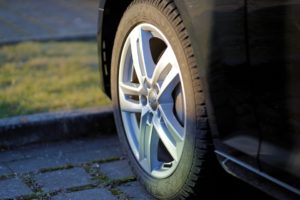 Tire checks are important to do for your vehicle. Tires are one of the most important things in a car. They provide the ride and stability on your road trip, and they can also be expensive to replace. But sometimes, the tires just don’t hold up. Check for any problems with your tires before they ever become a big issue. By doing this, you can avoid costly repairs down the line and keep your car running smoothly for years to come.
Tire Checks
Tires can play a big role in your vehicle and can affect the performance of your car. When it comes to tires, make sure to pay attention to the tread wear, condition, air pressure, and overall handling of the tires.
Tires Can Cause Damage
Tires can cause damage if they’re not inflated properly, and if they don’t have enough air pressure. If you drive on a road with worn tires, it may be dangerous to your vehicle and yourself. Always check the air pressure to ensure that they are properly inflated. Tires can cause damage if they become over-inflated, too hot, or have a low pressure. If your tires are in any of these conditions, you need to replace them as soon as possible. You can also contact us and we can inspect your vehicle for you. This will help ensure that it is in the best condition possible when you will need to drive.
Check the Tread Wear
A quick and easy way to check the tread wear is to take a penny and place it upside down in the groove of the tread. If you can see the top of Lincoln’s head, then the tread has worn down. The tires will need to be replaced. Sometimes you can get more life out of them by rotating them. No matter what, always contact us so we can check the vehicle for you.
Winter Weather Driving Tips to Know
Winter weather can vary from location to location. While it may be ideal weather when you leave, it then might be a blizzard by the time you come back. It might be cold outside, but that doesn’t mean you can’t enjoy your ride in the car. Here are a few tips for making the most of your winter drive!
How to Drive in Winter Weather
For the best driving experience in winter weather, be sure to take the following tips into account. Be aware of your surroundings and make sure you know where you are going. Winter driving can be difficult, so take it easy on the open roads. Be prepared for conditions that may affect your vehicle, including snow, ice, and rain. Make sure all necessary equipment is available and that you have enough gas to get through the trip. Ensure your vehicle is properly maintained and check fluid levels frequently. Follow the regular maintenance schedule for your vehicle. If you are not sure how often this should be, make sure to contact us. We can advise you on a schedule for your vehicle.
Improving your Safety
When driving in winter weather, be sure to take care of your own safety and that of other drivers. Make sure to use the proper driving techniques. In addition, make sure you have an adequate supply of fuel for your vehicle. Keep an eye on the weather conditions ahead of time to get the most out of your drive. By planning your trip accordingly, you can minimize issues along the way. You can also prepare yourself for what could potentially be tough roads this winter.
Winter weather can be an enjoyable experience, but it can be tough to stay on the road. Make sure to follow driving tips such as slowing down and leaving enough space between you and the vehicle in front of you. Doing so can help you to have a safe and enjoyable winter.
Vehicle Maintenance Schedules and What to Inspect
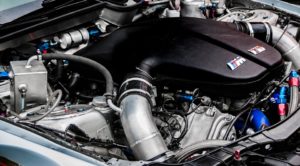 Vehicle maintenance is needed for your car. By staying up to date on the schedule, it will help keep your vehicle operating efficiently. If you ignore maintenance, the vehicle will start to fail. That’s why it’s so important to keep your vehicle in top condition so that it can serve you for years to come. Here are some tips on how to achieve excellence in vehicle maintenance:
How to Keep Your Vehicle Running smoothly
There are many types of vehicles, each with its own unique set of mechanics and needs. To keep your vehicle running smoothly, be sure to understand what type of vehicle it is and how to address common issues. Remember to look at the owner’s manual for your vehicle. By doing so, you will know when the vehicle should be brought in for maintenance, and what should be done. You can also contact us. We will set up a schedule for your vehicle of what should be inspected. Doing so can help the tires, brakes, steering, and even the fluids operate in the best condition possible for you.
How to Keep Your Vehicle Running Properly
To keep your vehicle running properly, follow these tips:
1) Know the basics: understanding the different system functions will help you troubleshoot problems more easily and efficiently.
2) Clean your car regularly: keeping the interior and exterior clean will reduce wear on components and help ensure optimal operations; also, this will reduce the risk of air infiltration which can lead to engine failures or worse.
3) Maintain fluids levels regularly: maintaining fluid levels within specs will help prevent water damage or other possible malfunctions; also, this will keep your drive train lubricated and accurate during use.
4) Check brakes regularly: brake pads need to be replaced based how many miles or how often you drive. By contacting us, we can advise you on the correct schedule.
Keeping your car running smoothly is a key part of maintaining it. If you ever notice anything out of the norm with the vehicle, make sure to contact us. We can inspect it for what the issue is, and help you get back on the road again!
Tire Care for your Car
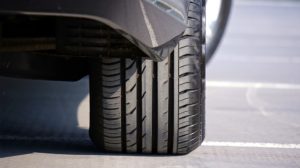
Tire care is important. When it comes to keeping your tires in great shape, you need the right tools. That’s why we’ve put together a comprehensive tire care article that includes everything from Tire Repair Techniques to Tire Maintenance Tips. Not only will this help you keep your tires in top condition, but it also provides tips on how to save money and improve your driving experience. So whether you’re a first-time owner or an experienced driver, we have the guide for you.
Tire care
Tires are one of the most important pieces of equipment a car has. When properly cared for, they can last for years. Tires need to be kept clean and free of debris to function properly. Here are some tips on how to keep your tires in great shape.
Always check the tire pressure before leaving home. If it is below the recommended pressure, your tires may not be inflated correctly and may suffer from wear and tear over time. Also make sure the tires are not over inflated either. This can cause them to puncture and pick up sharp objects.
Don’t forget the tread wear
Also remember to check the tread wear for your car. This can be done as easily as using a penny. Place the penny upside down in the groove of the tread. If you can see the top of Lincoln’s head, then the tread has worn down. Another way to tell if there are issues with the tires can be how the vehicle handles. If it pulls to one side or the other, then the tires could be the culprit. Tires that are under inflated will pull to one side. Also, if the tread wear is uneven, you will notice that on your vehicle handles as well.
No matter what issue you might notice, always contact us. We can inspect the tires to ensure you have a safe and reliable ride this winter.
Windshield Wipers and Noticing an Issue
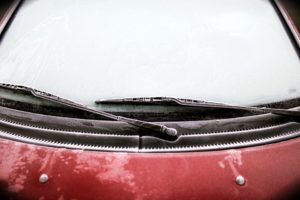 Windshield wipers are often forgotten about, but they are actually an important part of the vehicle. The wipers will help remove and clean any precipitation, debris, or road grime. No matter what the weather is, or if it is raining, snowing, or sleeting, you rely on the wipers. They will operate to remove this and allow you better visibility while you are driving. As wipers age and wear, it is important to have them replaced. Ideally, you should replace them twice each year. This is typically recommended to do so in the fall and in the spring. Remember to replace the windshield wipers, as well as the rear windshield wiper if your vehicle is equipped with it.
Choosing the Right Windshield Wipers
It is important that you choose the right windshield wipers for your vehicle. By ensuring they are the correct size, you can help improve your visibility. The owner’s manual for the vehicle will list what type or size wipers you need. Also, you can bring the vehicle in and we can recommend windshield wipers for you. Since they are an important feature, you always want to make sure that you purchase the correct ones.
Signs of Wear and Tear
There can be several signs that you might notice of the wear and tear of the windshield wipers. When you notice it, make sure that you replace the wipers as soon as possible. Some issues include any sounds or noises they make. This can be chatter or scratching noises. As the wipers go across the windshield, it can also cause permanent damage to it as well. This can lead to a significant repair bill if it is ignored. Check the wipers to make sure there are no cracks or tears to the rubber blade. Also remember the wipers are not meant to move heavy or deep snow, ice, or objects. Always make sure that you clear the windshield the best you can before operating them.
Tire Care for Your Car
Tire care for your car is an important thing to have done. The tires are the only part of the vehicle that will make contact with the surface of the road. If there are issues with the tires, make sure to schedule an appointment to bring them in. Problems you may notice include any odd sounds or noises that come from the vehicle. Always be aware if the vehicle pulls or jerks to one side or the other while you are driving. While there could be other issues involved, it is always recommended to bring it in to a professional mechanic. That way we can check all the parts to ensure they are in the best condition possible.
Inspect the Tires
One way to tell if the tires are in poor condition is by visually inspecting them. Check the entire tread wear on each tire. It should be wearing evenly. You can also check the tread depth by using just a penny. Place the penny upside down in the groove of the tire. If you can see the top of Lincoln’s head, then the tread has worn down too much. This may require a replacement of new tires. If one tire has extreme wear, but the others have not, it could mean the tires are not aligned properly. We can inspect and get the alignment back to where it should be for your vehicle.
Tire Care
Another sign of an issue is if you notice that you have to refill air in one or more tires on a frequent and regular basis. This could be from a puncture mark or something that is still stuck in the tire. It is always best if we inspect the tires for you. Noticing the issue, we can patch the tire, or recommend if a new tire is needed. Typically, it is best to buy tires in sets, so they can wear the same as you drive. No matter what the issue or problem, always contact us so we can check the vehicle for your safety.
Fluid Inspections for Your Car
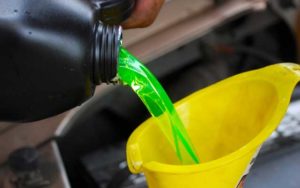 Fluid inspections are critical for your car’s safety. But they can be difficult to do correctly. That’s why we’ve put together this guide to help you get started. As always, if you notice an issue, always make sure to bring the vehicle in so we can properly inspect it for you.
What are Fluid Inspections
A fluid inspection is a safety check of your car that includes checking for fluid levels, brakes, and other systems. By doing a fluid inspection, you can help ensure your car is in good condition and safe to drive. Fluid inspections can also help identify any problems with the engine or transmission that could lead to serious damage.
What Are the Benefits
The benefits of fluid inspections include:
- Increased safety in your car
- Identification of any potential problems with the engine or transmission that could lead to serious damage
- Reduced liability for repair or replacement costs
- Faster and easier car repairs
Oil Changes
Having the oil changed is one of the most important fluids to check. The oil is what helps lubricate the engine, as well as all moving parts under the hood. If the oil is too old, then these parts will have extra strain and stress with them. This can result in the engine wearing out sooner than it otherwise should. It can also result in a costly repair bill. It is important to follow the recommended oil change schedule. This will help ensure the oil is always in the best condition.
Fluid inspections are important for your car because they help to ensure that the vehicle is in good condition and meets all safety standards. By following the guidelines for fluid inspections, you can have a successful experience and meet all of your requirements. In addition, using the right tools for the right purpose can make your fluid inspection process smoother and less risky. Due to these factors, it is essential that you follow through with your Fluid Inspection order and be sure to enjoy successful fluid inspections!
Car Tire Inspections
 Tire inspections are always important. It is one of the most important tasks you can do to ensure the vehicle handles well on the road. Whether you’re a beginner or an experienced driver, it’s important to know the right things to do when checking your car tire. Here are some of the most important things you should keep in mind when inspecting your car tires. Following these will help keep you safe while on the road.
What is a Car Tire Inspection
A car tire inspection is a procedure in which a mechanic checks the tread and other components of a car’s tires to ensure they are in good condition. A car tire inspection can help you save on your next purchase. The benefits of car tire inspections range from ensuring that your tires are in good condition to preventing flats or other problems with your car. By checking the tread and other components of your tires, you can avoid potential issues down the road. If there is an issue, we can advise on the best way to have it resolved.
What is the Process
The process of a car tire inspection includes checking your vehicle, removing the wheel, inspecting the wheel bearings, inspecting the air pressure in your tires, and verifying that all fluids are present and properly functioning. We will inspect the tires for any issues, including punctures, leaks, and more. We may also want to check for side impact injuries or other damage that could affect your car’s performance.
Tips for Safe Car Tire Inspections
Different types of inspections may be conducted in order to determine whether or not a tire needs to be replaced:
-Diameter Inspection – This inspection checks the diameter of the tire and can indicate if it needs to be replaced.
-Puncture Detection – This inspection is used in order to determine whether or not air has been injected into the tire, which could cause it to detonate or burst.
-Inspection Inflation – This inspection determines if there are any small changes in pressure within the tread area, which could lead to dangerous consequences if left unchecked.