
Serving All Makes & Models Since 1947
651-228-1316
982 Grand Ave • St. Paul, MN 55105
Mon-Fri: 7am - 6pm
982 Grand Ave • St. Paul, MN 55105
Mon-Fri: 7am - 6pm

Visibility is Important when Driving
 Visibility should be clear all around you when you are driving. Ensuring optimal visibility while driving is crucial for your safety and the safety of others on the road. Here are some valuable tips to help enhance visibility and make your driving experience more secure.
Better Visibility stars with a Clean windshield and mirrors
To begin, keeping your windows and mirrors clean is essential. Over time, dust, dirt, and debris can accumulate on your windshield and mirrors, obstructing your view and potentially causing glare from the sun or headlights. Regularly clean both the inside and outside of your windshield using a good glass cleaner and a microfiber cloth. Don’t forget to clean your side mirrors and rearview mirror as well. Clear mirrors and windows provide a clearer view of your surroundings, ensuring you can react promptly to any obstacles or hazards.
Adjust the Mirrors properly
Secondly, properly adjusting your mirrors is a simple yet effective way to minimize blind spots and improve your overall visibility. Set your rearview mirror to capture the entire view of the road behind you, offering an unobstructed look at vehicles approaching from the rear. Adjust your side mirrors to cover areas not visible in the rearview mirror, reducing the chances of missing vehicles in adjacent lanes. Regularly check and adjust your mirrors before setting off to ensure you have the widest field of vision possible.
Lastly, using your headlights judiciously greatly enhances both your visibility and the visibility of your vehicle to others. Turn on your headlights during low-light conditions such as dawn, dusk, or adverse weather. This helps you see the road better and ensures that other drivers can see you. Make sure all your vehicle’s lights are functioning correctly, including brake lights and turn signals. When driving on dimly lit roads, use high beams to extend your sight range, but remember to switch to low beams when approaching other vehicles to prevent blinding their drivers.
By following these practical tips, you can significantly improve your visibility while driving, leading to safer and more confident journeys. Clear windows, properly adjusted mirrors, and effective use of headlights are small adjustments that can have a substantial impact on your driving experience. Prioritizing visibility enhances your ability to make informed decisions, respond swiftly to changing road conditions, and ultimately arrive at your destination safely.
Noises that the Vehicle Might Make while you Drive
 As a car owner, it’s essential to be attentive to the various noises your vehicle may produce. Understanding what these noises mean can help you identify potential issues and take appropriate action. Here are some common car noises and their potential meanings, so make sure to bring the vehicle in if you notice any of these.
Noises you Hear
Squealing or Screeching Brakes: If you hear a high-pitched squealing or screeching sound when you apply the brakes, it’s a clear indication that your brake pads are worn out. Brake pads are designed with a metal indicator that creates this noise when the pads have reached their minimum thickness. Ignoring this noise can lead to further damage to the brake rotors, resulting in more expensive repairs. Promptly replacing the brake pads not only ensures safety but also preserves the overall health of your braking system.
Click or Tap Noises
Clicking or Tapping from the Engine: A repetitive clicking or tapping sound coming from the engine could be a sign of low oil levels or inadequate oil pressure. Insufficient lubrication causes engine components to rub against each other, creating this noise. Additionally, this sound may also indicate issues with the engine’s valves or lifters. Regularly checking your oil levels and adhering to scheduled oil changes can prevent such problems and keep your engine running smoothly.
Other Sounds
Knocking or Banging from the Engine: A distinct knocking or banging noise from the engine may suggest more serious problems, such as engine detonation or piston slap. Engine detonation occurs when the air-fuel mixture in the cylinder ignites prematurely, resulting in a knocking sound. Conversely, piston slap is caused by excessive clearance between the piston and cylinder walls, leading to a slapping noise during engine operation. Both issues can cause significant engine damage if left unattended. Seeking advice from a qualified mechanic is crucial to diagnose the problem accurately and prevent further harm.
A Grinding noise
Grinding or Whining Sounds: Grinding noises can originate from various components, such as the transmission, wheel bearings, or brakes. Worn-out clutch or transmission synchronizers can cause grinding when shifting gears. Additionally, failing wheel bearings or worn brake rotors can produce similar sounds. Whining noises may be attributed to issues with the power steering system, transmission, or differential. Identifying the source of the noise and seeking professional inspection and repair can prevent further damage and ensure a safe driving experience.
Hissing or Sizzling Sounds: If you hear a hissing or sizzling sound from under the hood, it may suggest a coolant leak, leading to an overheated engine. Coolant leaks can occur due to damaged hoses, a faulty radiator, or a compromised cooling system. Addressing the issue promptly will help prevent engine damage and potential breakdowns.
Remember Regular Maintenance Inspections
Paying attention to the different noises your car makes is crucial for early problem detection and appropriate action. Squealing brakes, clicking engines, knocking sounds, grinding or whining noises, and hissing or sizzling sounds all indicate specific issues that require attention. Regular maintenance checks and timely repairs by a qualified mechanic will ensure the overall health and longevity of your vehicle, contributing to a safe and enjoyable driving experience. Listening to your car and addressing any unusual noises promptly will save you time, money, and potential headaches down the road.
Summer Inspections and the Importance of them
 Summer inspections for your car are important. As the temperatures rise, it’s crucial to prioritize vehicle inspections to ensure optimal performance and safety during the hot months. Regular maintenance checks are vital to identify and address any potential issues that may arise due to the demanding summer conditions. Here are three key areas to focus on when inspecting your vehicle for the summer season.
Pay attention to the cooling system. The scorching heat can put a strain on your engine, making it susceptible to overheating. Begin by checking the coolant levels and ensure they are within the recommended range specified by the manufacturer. Inspect the condition of the coolant as well, looking for any signs of contamination or discoloration. Additionally, examine the radiator and hoses for leaks, cracks, or signs of wear and tear. Adequate functioning of the cooling system is crucial to prevent engine overheating and maintain optimal performance during your summer journeys.
Inspect your tires thoroughly. High temperatures can cause the air inside the tires to expand, leading to over inflation. This can compromise the grip and stability of your vehicle, increasing the risk of accidents. Regularly check the tire pressure using a reliable gauge and adjust it to the recommended levels provided by the vehicle manufacturer. Additionally, assess the tire tread depth to ensure it meets the minimum requirements. Worn-out or bald tires are more prone to hydroplaning on wet roads, making them unsafe for summer driving. Consider replacing any tires showing signs of excessive wear to maintain proper traction and handling.
Always be aware of the air conditioning system. A functional air conditioner is essential for a comfortable driving experience during hot summer days. Begin by checking the air filters and cleaning or replacing them as needed to ensure proper airflow. Test the air conditioner for any unusual noises or insufficient cooling, as these could indicate a problem. If you notice any issues, it’s advisable to have the system inspected and serviced by a professional technician. A well-maintained air conditioning system will not only keep you cool but also help prevent driver fatigue, ensuring a safer journey.
In conclusion, summer vehicle inspections are vital to maintain safety and performance in hot weather conditions. Prioritize the cooling system, tires, and air conditioning to address potential concerns. By conducting regular inspections and promptly addressing any issues, you can enjoy a trouble-free and comfortable summer driving experience.
Tire Inspections and What to Look for
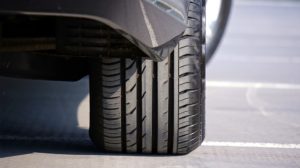 Tire inspections are important. Regularly inspecting your car’s tires is essential for ensuring safety, optimal performance, and longevity. By following a few simple steps, you can effectively inspect your tires and address any potential issues. Here are three key steps to help you inspect the tires on your car.
Firstly, visually examine each tire for signs of damage or wear. Check for cuts, bulges, or cracks on the sidewalls, as these can indicate potential tire failures. Inspect the tread for any irregularities. Adequate tire tread depth is crucial for proper traction and grip on the road. Use a tread depth gauge or the “penny test” to measure the depth. Insert a penny into the tread grooves with Lincoln’s head upside down. If you can see the top of Lincoln’s head, it suggests that the tread is worn and it’s time to replace the tire.
Secondly, check the tire pressure regularly. Proper tire inflation is vital for optimal performance, fuel efficiency, and safety. Use a tire pressure gauge to measure the air pressure in each tire. Refer to your vehicle’s manual or the sticker on the driver’s side door jamb for the recommended tire pressure. If the pressure is too low, add air until it reaches the proper level. If it’s too high, release air until it matches the recommended pressure. Remember to check the tire pressure when the tires are cold for accurate readings.
Lastly, inspect the tire valves and valve stems. Ensure they are in good condition without any cracks or leaks. Faulty valves or stems can lead to slow leaks or sudden tire deflation. If you notice any issues, it’s advisable to have them replaced by a professional.
In addition to regular inspections, tire rotation is important for even wear and extending tire life. Consider having your tires balanced and aligned periodically to ensure proper handling and a smooth ride.
By following these steps and conducting regular tire inspections, you can maintain the safety and performance of your vehicle. If you notice any abnormalities or are unsure about the condition of your tires, it’s always best to consult a professional for a thorough inspection. Proper tire care will contribute to a more comfortable and safer driving experience.
Air Conditioner Starting to Fail?
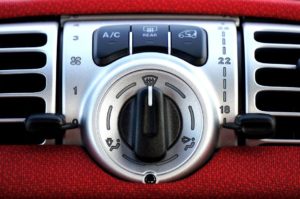 Is your car’s air conditioner failing to keep you cool during those scorching summer days? It’s important to be aware of the signs that indicate a faulty air conditioning system in your vehicle. Here are some common indicators to watch out for.
Firstly, if you notice that your car’s air conditioner is blowing warm or hot air instead of cool air, it’s a clear sign that something is amiss. This could be due to a refrigerant leak, a malfunctioning compressor, or a clogged condenser. Regardless of the cause, it’s crucial to have the system inspected and repaired by a professional to restore its cooling functionality.
Air Conditioner Strange Noises
Secondly, strange noises coming from the air conditioning system should never be ignored. If you hear grinding, squealing, or rattling sounds when the air conditioner is running, it could be indicative of a problem. These noises may be caused by a worn-out compressor, a loose belt, or damaged components. Addressing these issues promptly can prevent further damage and potentially expensive repairs.
Lastly, reduced airflow from the vents is another sign of a malfunctioning air conditioner. If you notice weak or diminished airflow, it could be due to a clogged air filter, a failing blower motor, or blocked air ducts. In some cases, electrical problems may also be to blame. Having the system inspected by a professional technician will help diagnose the underlying cause and restore proper airflow.
Remember to have your Vehicle Properly Maintained
If you encounter any of these signs, it’s important to have your car’s air conditioning system checked by a qualified technician. They have the expertise to identify the issue and perform the necessary repairs. Regular maintenance and addressing problems early on can help extend the lifespan of your air conditioning system. Also, it can ensure you stay comfortable on the road. Don’t let a bad air conditioner spoil your driving experience—get it fixed and enjoy a cool and refreshing journey.
Exhaust System for Your Vehicle and How to Maintain it
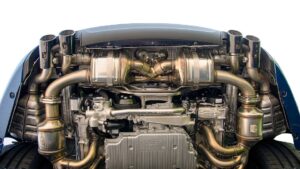 The car exhaust system may not be the most glamorous part of a vehicle, but it plays a vital role in its overall performance and environmental impact. Understanding the importance of a well-functioning exhaust system can help drivers appreciate its significance.
One of the key functions of the car exhaust system is to safely eliminate the harmful gases produced during the combustion process. When fuel is burned in the engine, it generates toxic gases like carbon monoxide, nitrogen oxides, and hydrocarbons. The exhaust system ensures that these gases are effectively directed out of the vehicle through the tailpipe, preventing their accumulation in the cabin and minimizing the health risks to the driver and passengers.
Exhaust system Maintenance
Besides expelling harmful gases, the system helps to reduce engine noise. It incorporates components such as mufflers and resonators that are specifically designed to dampen and control the noise produced by the engine during operation. This not only enhances the comfort of the driver and passengers, but it also ensures compliance with noise regulations in many areas.
Moreover, the exhaust system plays a crucial role in maintaining engine performance and fuel efficiency. It helps to regulate the backpressure within the system, which is essential for optimal engine operation. Proper backpressure ensures efficient expulsion of exhaust gases, allowing the engine to breathe freely and operate at its best. A malfunctioning exhaust system with incorrect backpressure can lead to decreased engine power, reduced fuel efficiency, and even potential damage to engine components.
Furthermore, the car system contributes to environmental protection by reducing harmful emissions. Modern systems are equipped with catalytic converters, which are designed to minimize the release of pollutants into the atmosphere. These converters facilitate chemical reactions that convert harmful gases into less harmful substances before they are emitted. By reducing emissions, the system plays a significant role in minimizing air pollution and its impact on the environment.
In conclusion, the car system is a critical component that serves several important functions. It ensures the safe elimination of harmful gases, reduces engine noise, maintains engine performance, and contributes to environmental conservation. Regular maintenance and timely repairs are essential to keep the exhaust system operating optimally. By recognizing the importance of a well-maintained system, drivers can enjoy improved safety, comfort, and efficiency while also minimizing their impact on the environment.
Windshield Wipers and Noticing an Issue
 Windshield wipers are an often overlooked but critical safety feature in any vehicle. They provide clear visibility during rain, snow, and other adverse weather conditions, ensuring a safe driving experience. However, over time, windshield wipers can deteriorate and fail, compromising their ability to keep your windshield clean and obstruct-free. Recognizing the signs of failing wipers is essential to maintain your safety on the road.
One of the most apparent signs of failing wipers is streaking. If your wipers leave streaks or smears on the windshield, even when they are in operation, it indicates that the blades have worn out or become damaged. Streaks can obstruct your view and reduce visibility, posing a potential hazard.
Another sign of failing wipers is skipping or jumping across the windshield. When the wiper blades do not glide smoothly and instead skip or bounce, it suggests that the blades are worn or have lost their flexibility. This irregular motion leads to inadequate clearing and leaves portions of the windshield uncleaned.
Windshield Wipers and Odd Noises
Unusual noises during wiper operation, such as squeaking or chattering, are also indicative of failing wipers. These noises typically result from damaged or worn-out blades that can no longer effectively clear the windshield. The friction caused by deteriorated blades can generate these sounds, distracting the driver and reducing the wipers’ efficiency.
Decreased wiping performance is another sign of failing windshield wipers. If your wipers are no longer able to remove water or debris effectively, leaving behind residue or areas of the windshield untouched, it is a clear indication that the blades need replacement. Insufficient clearing compromises your visibility and increases the risk of accidents.
Wear and Tear
Additionally, visible wear and tear on the wiper blades, such as cracks, tears, or uneven edges, signal that they are no longer functioning optimally. Exposure to environmental factors like sunlight and harsh weather conditions can cause the rubber on the blades to degrade over time. Damaged blades cannot maintain proper contact with the windshield, leading to subpar performance.
In conclusion, recognizing the signs of failing windshield wipers is crucial for your safety while driving. If you observe streaking, skipping, unusual noises, reduced wiping performance, or visible damage, it is time to replace your wiper blades. Regular inspection and maintenance of your wipers will ensure clear visibility and a safer driving experience, especially in adverse weather conditions. Don’t underestimate the importance of functioning wipers and address any signs of failure promptly.
Tire Inspections and Why they are Beneficial
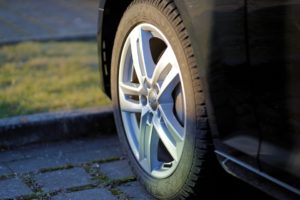 Tire inspections are an important aspect of vehicle maintenance that should be done regularly. The benefits of tire inspections include improved safety, cost savings, and better performance.
One of the most important benefits of tire inspections is improved safety. Tires are the only part of a vehicle that comes into contact with the road, making them critical to safe driving. Regular inspections can help detect any signs of wear and tear or damage, such as punctures, cuts, or bulges. These issues can cause tire blowouts or failures, which can be dangerous and even deadly. By catching these problems early on, you can take the necessary steps to address them before they become more serious.
Tire Inspections and the Benefits
Regular tire inspections can also help save you money in the long run. By detecting and addressing issues early, you can avoid more expensive repairs or replacements down the line. For example, underinflated tires can wear out faster, requiring more frequent replacements. By regularly checking and maintaining proper inflation levels, you can extend the life of your tires and avoid the need for premature replacements. Additionally, maintaining good tire pressure can also improve fuel efficiency, saving you money on gas.
Another benefit of the inspections is better performance. Properly inflated and maintained tires can improve your car’s handling, traction, and overall performance. This is because underinflated tires can cause uneven wear, which can lead to alignment issues and affect the way your car handles. Additionally, properly inflated tires can reduce rolling resistance, which in turn can improve fuel efficiency.
Regular inspections can also help you stay in compliance with state and federal regulations. Many states require regular tire inspections as part of their safety inspections, and failure to comply can result in fines or other penalties.
In conclusion, regular tire inspections are crucial for maintaining the safety, performance, and cost-effectiveness of your vehicle. By taking the time to inspect your tires regularly, you can catch any issues early and avoid more expensive repairs or replacements down the line. Additionally, you can ensure that your vehicle is in compliance with state and federal regulations, keeping you safe and on the right side of the law.
Suspension system and noticing an Issue
 The suspension system and shocks in your car play an essential role in providing a smooth and comfortable ride. They help to absorb the impact of bumps and uneven roads. Also ensuring that your car remains stable and controllable. However, like all components of your vehicle, shocks can wear out over time. It’s important to know how to tell if they’re bad so that you can have them replaced before they cause further damage.
Here are some signs that your shocks may be bad:
- Rough ride: If you feel every bump and jolt in the road, it’s a clear indication that your shocks are bad. A rough ride can make driving uncomfortable. It can also cause additional wear and tear on other components of your car.
- Nose diving: When you come to a sudden stop, notice that the front of your car dips down. It’s a sign that your shocks are worn out. This is also known as “nose diving,” and it can be dangerous because it affects your car’s ability to stop quickly.
- Uneven tire wear: Shocks are responsible for keeping your tires in contact with the road. If your shocks are bad, your tires will bounce around more than they should. This ends up causing uneven wear on the treads. This can also lead to poor handling and reduced traction.
- Fluid leaks: If you notice oil or fluid leaking from your shocks, they need to be replaced. This is because the fluid helps to keep the shocks operating smoothly. A leak can lead to damage to the shock absorber.
- Noisy suspension: If you hear a knocking or rattling sound coming from your suspension when driving on bumpy roads, it’s a sign that your shocks are worn out. This noise is caused by the shocks not being able to properly absorb the impact of the road, leading to excess movement and noise.
Suspension Issues to be Aware Of
If you’re experiencing any of these symptoms, it’s important to take your car to a mechanic to have your shocks inspected. Your mechanic will be able to determine if your shocks need to be replaced and provide you with an estimate for the cost of the repairs.
Shocks play a critical role in ensuring a smooth and safe ride in your car. It’s important to be aware of the signs that they may be worn out so that you can have them replaced. This is important before they cause further damage to your vehicle. Remember to always have your car inspected regularly. This ensures that all components are functioning correctly, and to address any issues as soon as they arise.
Spring Maintenance and Preventing Potential Issues with your Car
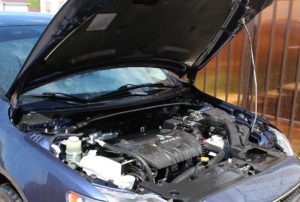 Spring is a season of rejuvenation and renewal. As the weather warms up and the snow and ice melt away, it’s an ideal time to take care of your vehicle. With the harsh winter weather conditions, your car may have taken a beating, and it’s important to ensure that it’s in good shape. Here are some reasons why vehicle maintenance is beneficial in the spring:
- Potholes: Spring is notorious for potholes. The fluctuating temperatures and the melting of snow and ice create cracks and potholes on the roads. Hitting a pothole can damage your vehicle’s tires, suspension, and alignment, leading to costly repairs. Regular maintenance and inspections can help detect any damage before it becomes a bigger problem.
- Salt and debris: During the winter months, salt and other chemicals are used to melt snow and ice on the roads. While it helps with traction, it can also cause damage to your car’s undercarriage, leading to rust and corrosion. Regular cleaning and inspection of the undercarriage can help prevent any long-term damage.
- Tire pressure: The temperature changes during the winter months can cause tire pressure to drop. Driving on underinflated tires can lead to reduced fuel efficiency and increased wear and tear on your tires. Checking your tire pressure regularly and inflating them to the recommended level can improve handling and safety on the road.
- Fluids: Winter weather can take a toll on your car’s fluids. Checking and changing your car’s fluids, such as oil, coolant, and transmission fluid, can improve your car’s performance and extend its lifespan.
- Battery: The cold weather can also affect your car’s battery. Regular maintenance and inspection of your battery can help detect any issues before they become a problem. It’s also a good idea to have your battery tested to ensure that it’s working properly.
In conclusion, spring is an ideal time to prioritize vehicle maintenance. Regular maintenance and inspections can detect any damage before it becomes a more significant problem, saving you time and money in the long run. Taking care of your car’s tires, fluids, and battery can improve your car’s performance, safety, and longevity. So, take advantage of the beautiful weather and take care of your car this spring.