Urgent Warning Signs: Check Engine Light Flashing vs Solid Explained
Check Engine Light Flashing vs Solid: What Every Driver Needs to Know
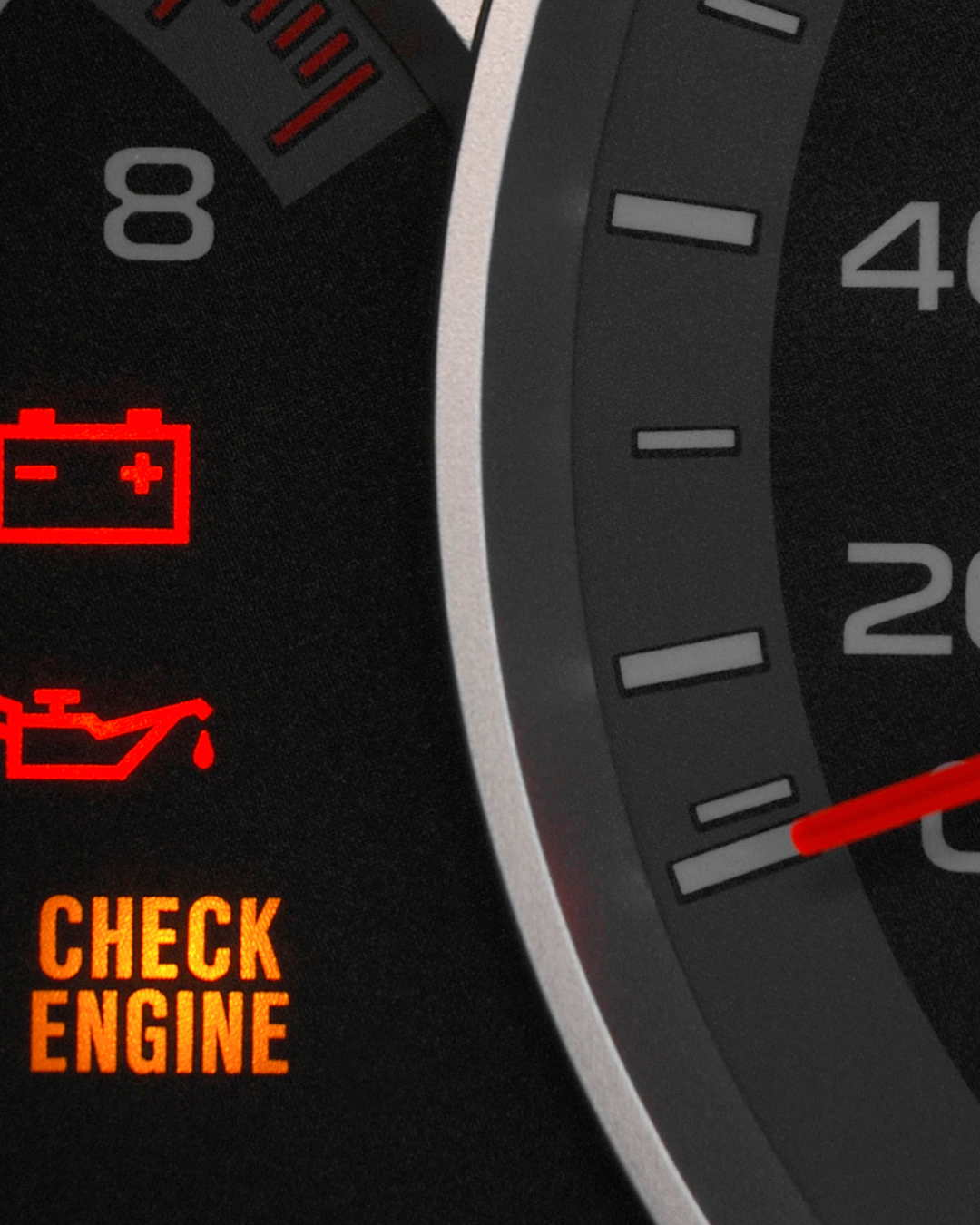
Few things are more concerning than seeing your check engine light come on while driving. But not all warning lights are the same. Understanding the difference between a check engine light flashing vs solid can mean the difference between a quick fix and a costly repair.
Many drivers ignore this warning or assume it’s not urgent. However, the behavior of the light itself tells you how serious the issue is. Knowing what each signal means can help you take the right action at the right time and potentially save your engine from major damage.
What Is the Check Engine Light?
The check engine light is part of your vehicle’s onboard diagnostics system (OBD-II). It monitors engine performance, emissions systems, and other critical components. When something isn’t operating correctly, the system triggers the warning light.
However, the way the light appears—either steady or flashing—provides important insight into the severity of the problem.
Check Engine Light Flashing vs Solid: The Key Difference
Understanding the difference between a check engine light flashing vs solid is crucial.
Solid Check Engine Light
A solid light typically indicates a non-urgent issue. While the problem still needs attention, it does not usually require immediate action.
Common causes include:
- Loose or faulty gas cap
- Oxygen sensor failure
- Minor emissions issues
- Aging spark plugs
- Mass airflow sensor problems
In most cases, you can continue driving for a short period, but you should schedule a diagnostic appointment as soon as possible.
Flashing Check Engine Light
A flashing check engine light is a serious warning. It indicates a severe engine misfire or another issue that could cause immediate damage.
Common causes include: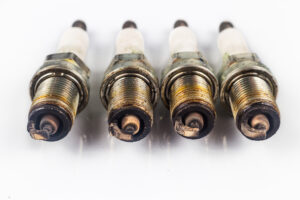
- Engine misfire
- Faulty ignition coils
- Damaged spark plugs
- Fuel system issues
- Catalytic converter risk
When comparing a check engine light flashing vs solid, the flashing light always requires immediate attention.
Why a Flashing Light Is So Serious
A flashing check engine light usually points to a misfire. This means one or more cylinders in your engine are not firing properly.
When this happens:
- Unburned fuel enters the exhaust system
- The catalytic converter overheats
- Internal engine damage can occur
Driving with a flashing light can quickly turn a manageable repair into a very expensive one. In many cases, continuing to drive could lead to catalytic converter failure, which is one of the most costly repairs in a vehicle.
Can You Drive With a Check Engine Light On?
This depends entirely on whether the light is flashing or solid.
If the Light Is Solid: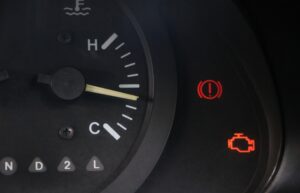
- You can typically drive short distances
- Avoid long trips or heavy acceleration
- Schedule service soon
If the Light Is Flashing:
- Stop driving immediately
- Reduce speed and engine load
- Have the vehicle inspected right away
Understanding check engine light flashing vs solid helps you avoid guessing and take the correct action quickly.
Common Causes Behind Each Type
Causes of a Solid Check Engine Light
A solid light often points to efficiency or emissions issues rather than immediate mechanical failure.
Examples include:
- Loose gas cap causing fuel vapor leaks
- Worn spark plugs reducing efficiency
- Faulty oxygen sensor affecting fuel mixture
- Evaporative emissions system leaks
While these issues may not damage your engine right away, ignoring them can lead to reduced fuel economy and increased emissions.
Causes of a Flashing Check Engine Light
A flashing light signals a more dangerous condition, often tied to engine performance.
Examples include:
- Severe engine misfire
- Ignition system failure
- Fuel injector problems
- Timing issues
These problems can quickly escalate if not addressed, which is why recognizing check engine light flashing vs solid is so important.
What Should You Do When the Light Comes On?
Step 1: Observe the Behavior
Is the light steady or blinking? This determines your next move.
Step 2: Check for Immediate Symptoms
Look for signs like:
- Rough idling
- Loss of power
- Strange noises
- Vibrations
These often accompany a flashing light and indicate a more serious issue.
Step 3: Reduce Driving Stress
If the light is solid, drive cautiously and avoid pushing the engine.
If it’s flashing, stop driving as soon as it is safe to do so.
Step 4: Schedule a Diagnostic Test
A professional diagnostic scan will identify the exact issue. Modern vehicles store trouble codes that point technicians in the right direction.
The Role of Diagnostic Scans
When dealing with a check engine light flashing vs solid, a diagnostic scan is essential.
Technicians use specialized tools to:
- Retrieve error codes
- Analyze engine data
- Pinpoint the exact problem
This prevents guesswork and ensures the correct repair is made the first time.
How Ignoring the Warning Can Cost You
Many drivers delay addressing a check engine light, especially when it’s solid. However, ignoring the warning can lead to:
- Reduced fuel efficiency
- Increased emissions
- More extensive engine damage
- Expensive repairs later
In the case of a flashing light, the risks are even greater. Immediate damage to key components can occur within minutes of continued driving.
Preventing Check Engine Light Issues
While not all issues can be avoided, regular maintenance can significantly reduce the chances of seeing your check engine light come on.
Preventative Tips:
- Replace spark plugs at recommended intervals
- Keep up with oil changes
- Inspect and replace air filters
- Address minor issues early
- Use quality fuel
Staying proactive can help prevent both solid and flashing check engine light scenarios.
How Weather and Driving Conditions Play a Role
In areas like St. Paul, extreme temperatures can contribute to engine issues.
Cold weather can:
- Affect battery performance
- Impact fuel combustion
- Trigger sensor errors
Hot weather can:
- Increase engine stress
- Lead to overheating
- Accelerate wear on components
Understanding how conditions affect your vehicle helps you stay ahead of potential problems and better understand check engine light flashing vs solid situations.
When to Seek Professional Help
You should always seek professional help if:
- The light is flashing
- The vehicle is running poorly
- The light stays on for more than a few days
- You notice unusual sounds or smells
Even if the issue seems minor, a proper diagnosis ensures your vehicle remains safe and reliable.
Conclusion
Understanding the difference between a check engine light flashing vs solid is essential for every driver. A solid light typically indicates a less urgent issue that still requires attention, while a flashing light signals a serious problem that demands immediate action.
Ignoring these warnings can lead to costly repairs and potential engine damage. The best approach is to act quickly, have your vehicle properly diagnosed, and address issues before they escalate.
If your check engine light has come on and you’re unsure what it means, it’s always better to be safe than sorry. The experienced team at Lloyd’s Automotive is here to help diagnose the issue and get you back on the road with confidence. If you’re experiencing any warning signs, contact us here to schedule an inspection and ensure your vehicle is running at its best.