Ultimate Guide to Cooling System & Radiator Maintenance for Winter
Winter in Minnesota presents a unique challenge for drivers. Cold temperatures, salt-treated roads, and fluctuating weather can all take a toll on your vehicle. One of the most important systems to prepare for the season is your cooling system. Proper cooling system maintenance ensures your engine runs efficiently, prevents overheating, and protects your radiator from freezing during the coldest months.
This guide covers the key steps for cooling system maintenance, signs of radiator or coolant issues, and preventative strategies to protect your car this winter.
Why Cooling System Maintenance Matters in Winter
Your vehicle’s cooling system regulates engine temperature, circulates antifreeze, and protects vital components from extreme temperature damage. During winter, this system prevents the coolant from freezing, stops the engine from overheating during short drives, and reduces stress on components like hoses and the radiator.
Neglecting cooling system maintenance in cold weather can lead to serious problems, including: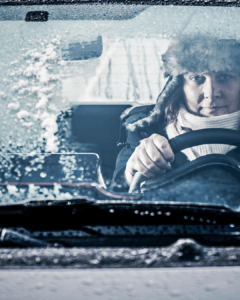
-
Frozen coolant, which can crack the engine block or radiator
-
Overheating during short trips with heavy heater use
-
Hose or radiator damage due to temperature fluctuations
-
Reduced heater efficiency inside the car
Cooling system maintenance is especially critical in northern climates like Minnesota, where subzero temperatures are common.
Common Signs Your Cooling System or Radiator Needs Attention
Recognizing early warning signs can save you from costly repairs. Look out for the following indicators:
1. Engine Overheating or Fluctuating Temperature Gauge
If your temperature gauge rises quickly or fluctuates during short drives, it could indicate a failing radiator, low coolant, or blocked circulation.
2. Coolant Leaks
Puddles under the car, a sweet smell, or low coolant levels can signal a leak in hoses, the radiator, or the water pump.
3. Rust, Corrosion, or Sediment
Sediment buildup inside the radiator or corrosion on the radiator cap and hoses reduces cooling efficiency and may lead to leaks.
4. Strange Noises
Gurgling or hissing sounds often indicate trapped air in the cooling system or leaks, which can compromise performance.
5. Poor Heater Performance
If your heater struggles to warm the cabin, it might indicate low coolant or air trapped in the cooling system.
Step-by-Step Cooling System Maintenance for Winter
Regular maintenance keeps your cooling system and radiator performing efficiently. Follow these key steps:
1. Check Coolant Levels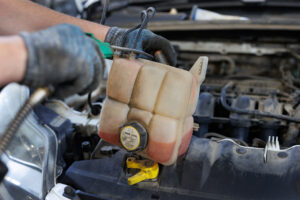
Ensure the coolant is at the correct level and properly mixed (usually a 50/50 ratio of antifreeze and water). Low coolant can cause freezing and overheating.
2. Inspect Hoses and Belts
Look for cracks, leaks, or signs of wear. Cold temperatures can accelerate deterioration, so replacing worn hoses or belts before winter is critical.
3. Flush the Cooling System
A coolant flush removes rust, sediment, and old antifreeze, allowing new coolant to circulate efficiently. Experts recommend flushing every 2–3 years or according to the manufacturer’s schedule.
4. Check the Radiator Cap
The radiator cap maintains pressure in the cooling system. A faulty cap can cause leaks or reduce the system’s ability to circulate coolant properly.
5. Test the Thermostat
The thermostat regulates engine temperature. Testing and replacing a failing thermostat ensures proper heat distribution and prevents overheating.
6. Inspect the Heater Core
A partially blocked or leaking heater core can reduce heater performance and create frost buildup on windows.
7. Look for Air Pockets
Air trapped in the cooling system reduces circulation and can cause localized freezing or overheating. Bleed the system if necessary.
Preventing Winter Cooling System Problems
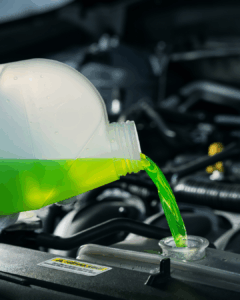 Proactive strategies help prevent failures during harsh Minnesota winters:
-
Use Winter-Grade Coolant: Select coolant rated for extreme low temperatures to prevent freezing.
-
Park in a Garage When Possible: Protects your car from extreme temperature swings.
-
Monitor Coolant Levels Frequently: Check at least once a month during winter.
-
Schedule Professional Winterization: Technicians can perform a full inspection, flush, and pressure test.
By staying ahead with preventive maintenance, you reduce the risk of costly repairs and ensure your car runs efficiently throughout winter.
DIY vs Professional Maintenance
Some maintenance tasks, like checking coolant levels or inspecting hoses, can be done at home. However, professional inspections provide:
-
Complete coolant flushes
-
Radiator pressure testing
-
Leak detection
-
Thermostat and water pump evaluation
-
Winterization recommendations
Professional cooling system maintenance ensures that even subtle issues are addressed before they turn into serious problems.
Conclusion
Cooling system maintenance is essential to keeping your car safe, efficient, and reliable during Minnesota winters. From checking coolant levels to flushing the radiator and inspecting hoses, every step helps prevent freezing, overheating, and costly engine damage.
At Lloyd’s Automotive, our expert technicians specialize in winterization and cooling system maintenance. Contact us today to schedule your winter service and ensure your vehicle is ready for the coldest months of the year. Proper cooling system maintenance gives you peace of mind and keeps your car running smoothly no matter the weather.
Further Reading
-
AAA: Winter Car Maintenance Tips
https://www.aaa.com/autorepair/articles/winter-car-maintenance -
NAPA Know How: Cooling System Maintenance
https://www.napaonline.com/en/know-how/cooling-system-maintenance -
Car and Driver: How to Prepare Your Car for Winter
https://www.caranddriver.com/features/a32645678/winter-car-prep-tips/