Warning Signs: Why Does My Car Sound Louder Than It Used To?
If you’ve driven the same vehicle for a while, you probably know what it normally sounds like. You recognize the sound it makes when you start the engine, accelerate onto the highway, and sit at a stoplight. That’s why it can be so noticeable when your vehicle suddenly develops a deeper rumble, louder roar, ticking sound, or other unfamiliar noise.
When your car sounds louder than usual, it isn’t something you should automatically dismiss as part of getting older. Vehicles can gradually become noisier as components wear, but a noticeable change in sound can also point to an exhaust leak, damaged muffler, loose component, engine problem, or another issue that deserves attention.
The type of sound you hear, when it occurs, and where it seems to come from can provide valuable clues about what is happening. Understanding some of the most common causes can help you know when it’s time to have your vehicle inspected.
Why Your Car Sounds Louder Than Usual
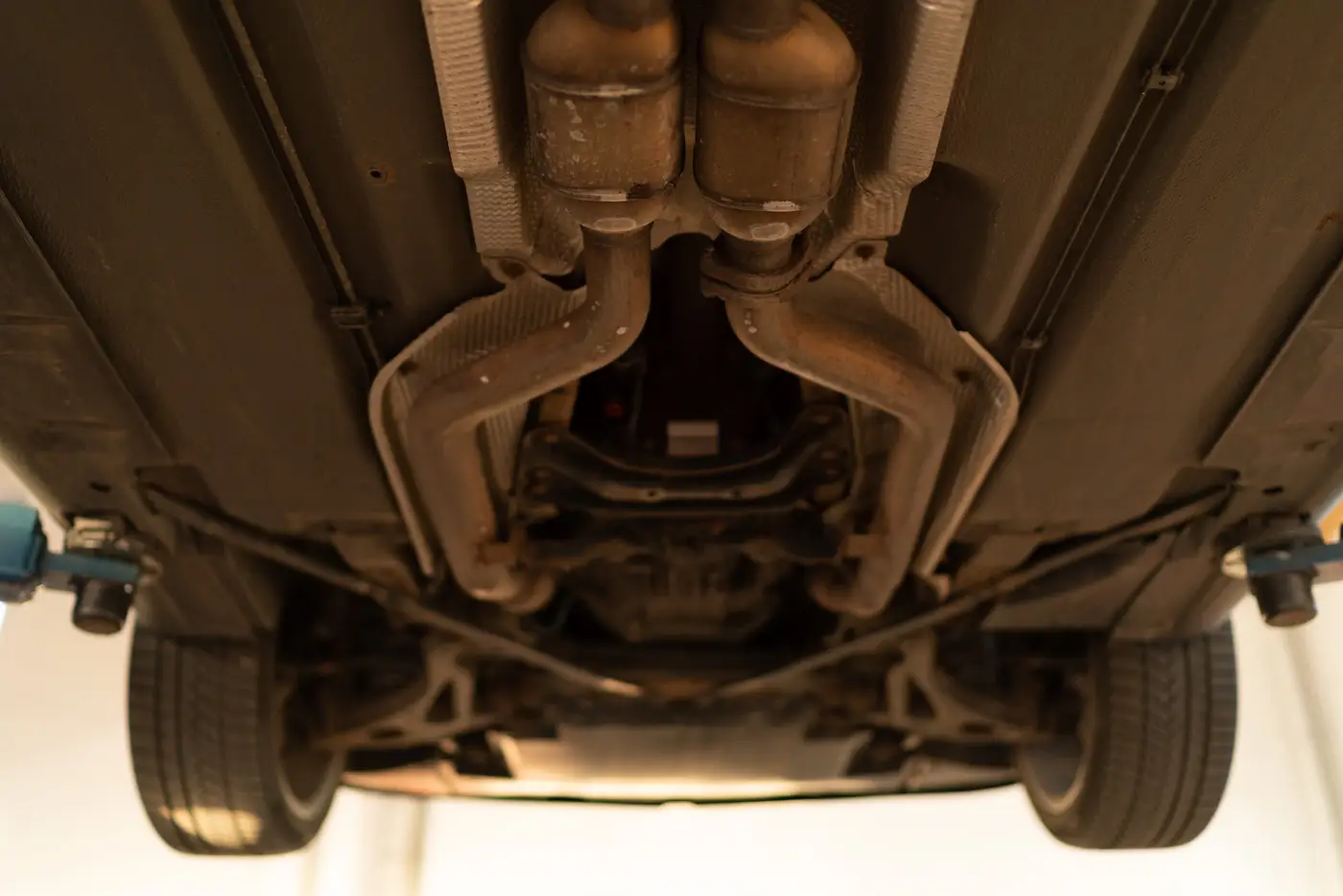
Your vehicle contains several systems designed to control noise and vibration. The exhaust system is particularly important because it routes exhaust gases away from the engine while helping reduce engine noise.
When something changes within that system, sounds that were previously muffled may suddenly become much easier to hear.
However, the exhaust system isn’t the only possibility. Engine components, belts, pulleys, wheel bearings, tires, and other moving parts can all create additional noise when something begins wearing out.
The first step is paying attention to exactly what has changed.
An Exhaust Leak Can Make Your Vehicle Much Louder
One of the most common reasons a car sounds louder than usual is an exhaust leak.
Your exhaust system stretches from the engine toward the rear of the vehicle and contains multiple pipes, connections, gaskets, and components. Over time, corrosion, road debris, potholes, vibration, and normal wear can create cracks or holes.
Exhaust gases can then escape before reaching the muffler.
Depending on where the leak occurs, you might hear:
- Rumbling
- Hissing
- Ticking
- Popping
- Roaring
An exhaust leak near the engine may sound different from one near the rear of the vehicle, which is one reason a professional inspection can be helpful.
Your Muffler May Be Wearing Out
The muffler does exactly what its name suggests: it muffles engine and exhaust noise.
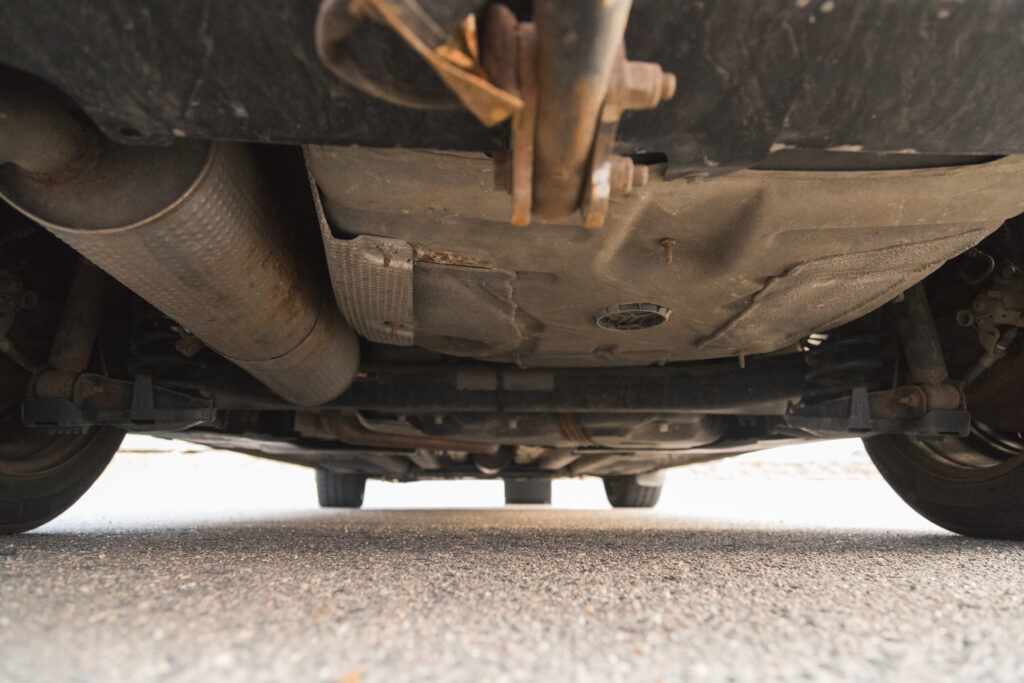
Inside the muffler are chambers and materials designed to reduce sound before exhaust exits the tailpipe. As the muffler ages, corrosion or internal deterioration can make it less effective.
A damaged muffler may cause your vehicle to develop a deeper, louder exhaust note.
You might first notice the change while accelerating because more exhaust is moving through the system. Eventually, the vehicle may sound noticeably louder even while idling.
If your car sounds louder than usual and the noise seems to be coming from underneath or toward the rear of the vehicle, the muffler should be inspected.
A Damaged Exhaust Pipe Could Be Responsible
The pipes connecting the various parts of your exhaust system are constantly exposed to harsh conditions underneath your vehicle.
Water, road salt, dirt, rocks, potholes, and temperature changes can eventually weaken exhaust pipes.
A small hole may initially create a faint ticking or hissing noise. As the damage grows, the sound can become much louder.
Rust is especially important to watch for in areas where road salt is used during winter. Corrosion that developed during previous winters may become more noticeable months later when a weakened section finally begins leaking.
Why Is My Car Louder When I Accelerate?
Sometimes a vehicle sounds fairly normal at idle but becomes significantly louder when you press the accelerator.
Acceleration increases engine speed and exhaust flow. If there’s a leak or damaged exhaust component, the additional exhaust pressure can make the problem much easier to hear.
You might notice a:
- Deep roaring sound
- Rapid ticking
- Rattle
- Hissing noise
- Low rumble
A vehicle that suddenly sounds dramatically louder during acceleration should be inspected rather than assuming the change is normal.
A Rattling Sound Could Be a Loose Heat Shield
Not every exhaust-related noise means you need a new muffler.
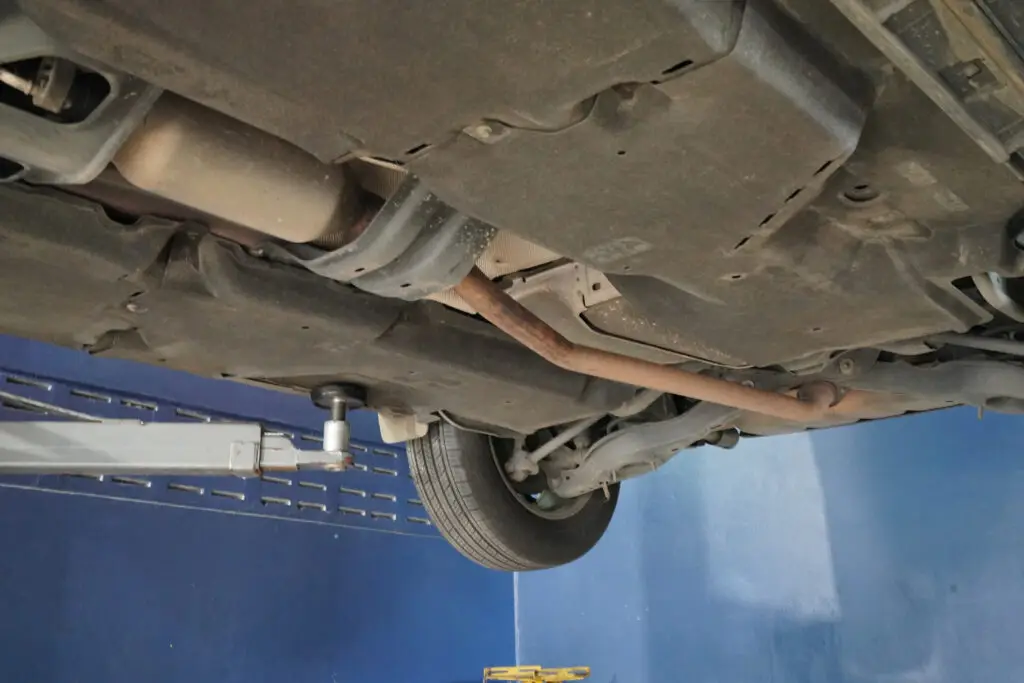
Your exhaust system contains heat shields that help protect nearby components from extremely high temperatures. These shields can become loose due to corrosion, damaged fasteners, road impacts, or normal wear.
When that happens, they may vibrate against other components.
A loose heat shield often creates a metallic rattling sound that becomes more noticeable:
- During acceleration
- At certain engine speeds
- While idling
- When driving over bumps
Because several components underneath a vehicle can create similar noises, identifying the exact source is important before replacing anything.
Could the Catalytic Converter Make Your Car Louder?
The catalytic converter is another important part of the exhaust system.
Its primary purpose is emissions control, but problems involving the catalytic converter can sometimes change the way your vehicle sounds.
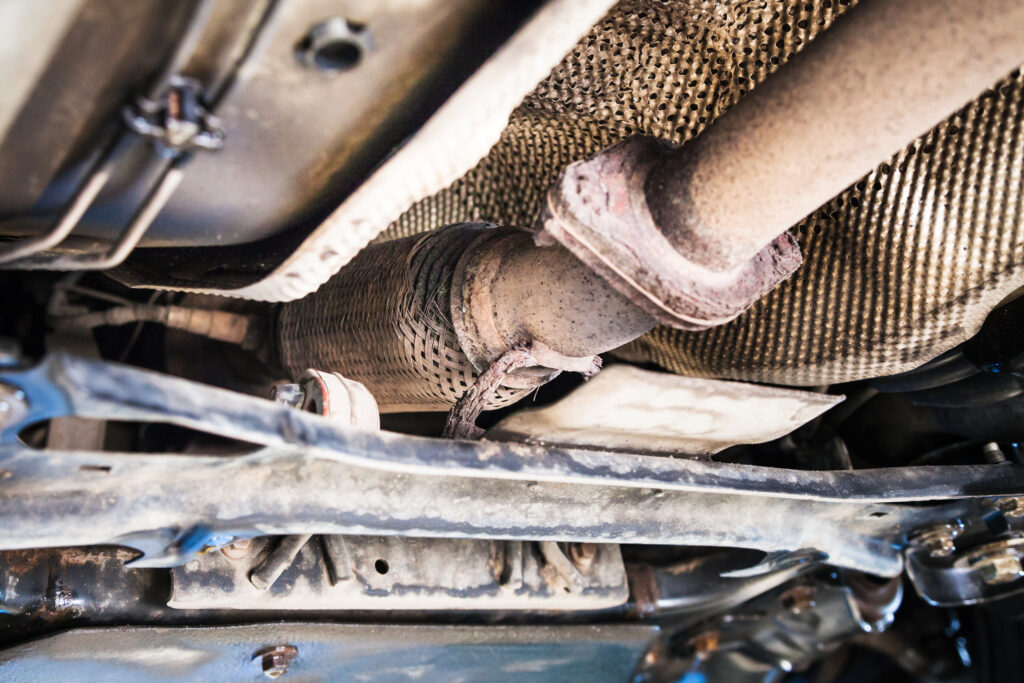
A damaged catalytic converter may produce rattling noises from underneath the vehicle. Other possible symptoms include reduced acceleration, poor fuel economy, a check engine light, or unusual exhaust odors.
A dramatically louder exhaust can also occur if a catalytic converter has been stolen. Because removing it leaves a major gap in the exhaust system, the vehicle may suddenly produce an extremely loud roaring sound when started.
If your car sounded normal when you parked but is extremely loud the next time you start it, don’t ignore the possibility of exhaust system damage or theft.
Ticking Sounds Can Point to an Exhaust Manifold Leak
Not every exhaust leak occurs underneath the middle or rear of the vehicle.
The exhaust manifold connects directly to the engine and collects exhaust gases before directing them into the rest of the system.
A leaking exhaust manifold or damaged manifold gasket may create a ticking sound that changes with engine speed.
The noise may be especially noticeable when the engine is first started and can become faster as you accelerate.
Because this area becomes extremely hot, exhaust manifold problems should be inspected rather than ignored.
Your Engine Could Be Making the Extra Noise
If your car sounds louder than usual, the exhaust system is an obvious place to look, but it isn’t the only possibility.
The engine itself contains numerous moving components. Changes in lubrication, worn components, ignition problems, or mechanical issues can all create new sounds.
Engine-related noises might include:
- Ticking
- Knocking
- Tapping
- Squealing
- Grinding
- Rattling
Some engine noises are relatively minor, while others can indicate problems that could lead to expensive damage if ignored.
That’s why diagnosing unusual sounds based solely on volume isn’t always possible.
Belts and Pulleys Can Get Noisy Too
If the extra noise seems to come from underneath the hood rather than underneath the vehicle, belts and pulleys may be worth checking.
A worn or slipping belt can create squealing or chirping noises, particularly when starting the vehicle or accelerating.
Pulleys and tensioners can also develop bearing problems that create grinding, rattling, or whining noises.
These sounds may change as engine speed increases, which sometimes makes drivers assume the exhaust system is responsible.
Don’t Forget About Tires and Wheel Bearings
Sometimes what sounds like a louder engine isn’t coming from the engine at all.
Tire and wheel problems can create significant road noise.
Uneven tire wear may produce humming or roaring noises that become louder as vehicle speed increases. A worn wheel bearing can create similar symptoms.
One helpful clue is whether the sound changes with engine speed or vehicle speed.
If the noise increases when you rev the engine while stationary, the issue is more likely related to the engine or exhaust system.
If it becomes louder only as the vehicle travels faster, tires, wheel bearings, or drivetrain components may be involved.
Pay Attention to Exhaust Smells Inside the Vehicle
Noise isn’t the only thing that matters.
If your car sounds louder than usual and you also smell exhaust fumes inside the passenger compartment, the problem deserves immediate attention.
The exhaust system is designed to carry combustion gases safely away from the vehicle. A leak can allow fumes to escape from an unintended location. AAA notes that exhaust leaks can potentially allow dangerous gases, including carbon monoxide, into the passenger area.
If you smell exhaust inside your vehicle, don’t simply turn up the radio and continue driving as usual. Have the vehicle inspected promptly.
Can a Loud Exhaust Affect Vehicle Performance?
Depending on the cause, yes.
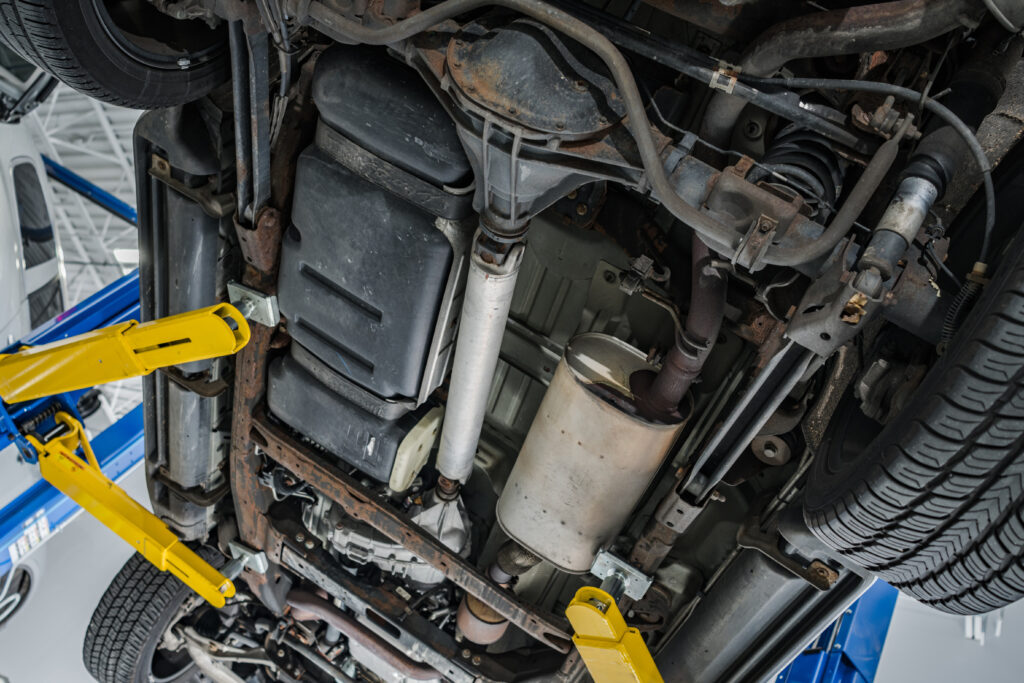
A small muffler problem may primarily affect noise levels, but certain exhaust problems can also influence engine performance.
You may notice:
- Sluggish acceleration
- Reduced fuel economy
- Check engine light
- Unusual exhaust odors
- Engine performance changes
Exhaust leaks can sometimes interfere with oxygen sensor readings, while restricted exhaust components can make it harder for the engine to move exhaust gases efficiently.
This is why diagnosing the cause matters rather than treating excessive noise as merely an annoyance.
Should You Keep Driving When Your Car Gets Louder?
It depends on what’s causing the sound, but a sudden or significant change shouldn’t be ignored.
A minor rattle from a loose component isn’t the same as an exhaust pipe dragging underneath the vehicle or a serious engine knock.
Be especially cautious if the noise is accompanied by:
- Exhaust fumes inside the cabin
- Check engine light
- Loss of power
- Smoke
- Overheating
- Severe vibration
- Grinding
- A sudden extremely loud exhaust
AAA recommends treating sudden unusual noises such as grinding, popping, or growling as an indication that something may require immediate attention.
If you’re uncertain whether the vehicle is safe to drive, it’s better to have the problem evaluated.
Don’t Assume a Louder Vehicle Is Just Getting Older
Vehicles naturally experience wear as mileage accumulates, but becoming dramatically louder isn’t simply an unavoidable part of aging.
A change in sound is information.
Your vehicle may be telling you that a component has loosened, corroded, cracked, worn out, or stopped functioning properly.
Having the problem inspected early can also prevent a relatively straightforward repair from becoming more complicated.
For example, exhaust system connections and flanges can loosen or corrode over time, while mufflers can become progressively louder as their internal sound-reducing components deteriorate.
When Should You Schedule an Inspection?
If your car sounds louder than usual for more than a brief moment, or the noise continues getting worse, scheduling an inspection is a smart move.
Try to remember when you hear the sound most clearly.
Does it happen:
- Immediately after starting?
- Only during acceleration?
- While idling?
- At highway speeds?
- When turning?
- When driving over bumps?
- After the vehicle warms up?
Providing these details can help a technician narrow down the source of the problem more efficiently.
Conclusion
When your car sounds louder than usual, there’s usually a reason for the change. A damaged muffler, exhaust leak, corroded pipe, loose heat shield, catalytic converter issue, worn belt, engine problem, tire issue, or wheel bearing can all change the sounds you hear while driving.
The important thing is not to assume that a louder vehicle is simply getting older. Your vehicle’s normal sounds are familiar for a reason, and a new rumble, roar, tick, rattle, or squeal can be an early warning that something needs attention.
At Lloyd’s Automotive, we can inspect your vehicle and determine where that unfamiliar noise is coming from. If your car sounds louder than usual or you’ve noticed another change in the way it drives, contact us here to schedule an inspection. Finding the source early can help you address the actual problem instead of waiting for the noise or underlying damage to get worse.
Further Reading
AAA: Car Maintenance Checklist and Exhaust System Inspections
NAPA: Exhaust and Muffler Repair Guide
NAPA: Why Your Car May Be Making a Loud Noise When Accelerating