
Hidden Danger: Can a Bad Ground Connection Cause Multiple Car Problems?
Modern vehicles rely on complex electrical systems to operate everything from the engine and transmission to headlights, dashboard displays, and safety features. When something goes wrong electrically, the symptoms can be confusing. You might notice flickering lights one day, trouble starting the next, and an unexpected warning light appearing on your dashboard shortly afterward.
What many drivers don’t realize is that these seemingly unrelated problems can sometimes share a single cause: a bad ground connection.
A bad ground connection can interfere with the electrical circuits that keep your vehicle operating properly. Because multiple components may rely on shared grounding points, one damaged or corroded connection can create problems across several systems.
Understanding how vehicle grounding works, recognizing the warning signs, and knowing when professional diagnosis is necessary can help you avoid replacing parts that aren’t actually defective.
What Is a Ground Connection in a Car?
Your vehicle’s electrical system needs a complete circuit for electricity to flow properly. The battery supplies electrical power, while ground connections provide a return path through the vehicle’s electrical system.
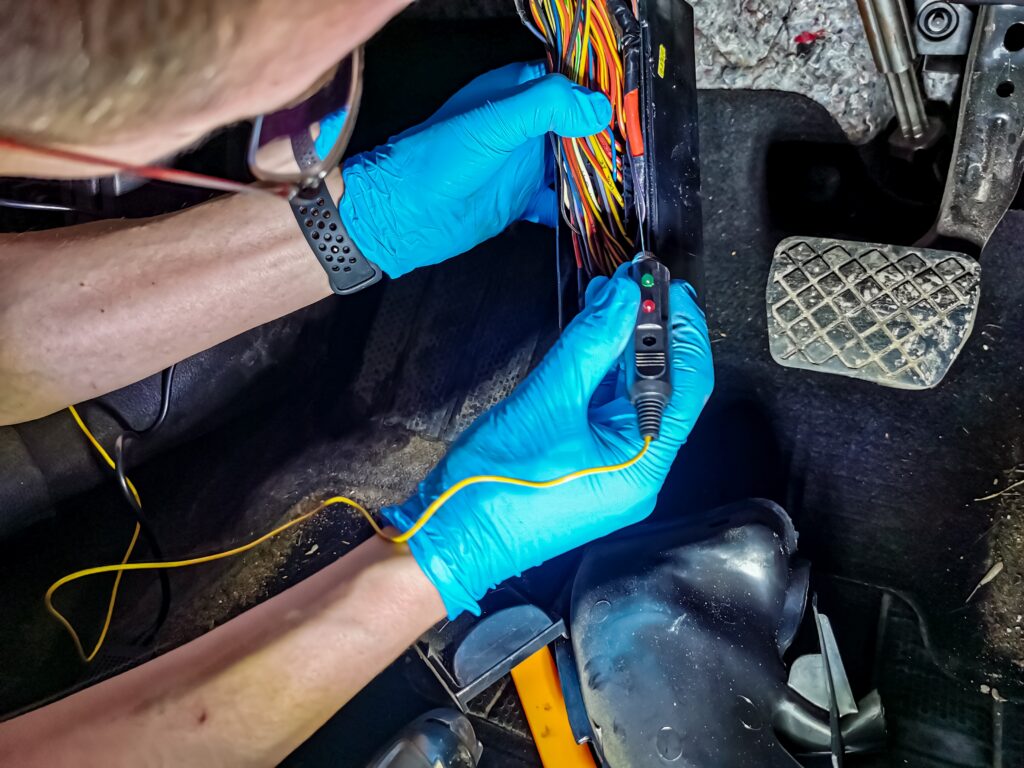
In most modern vehicles, the negative battery terminal is connected to the engine, chassis, or body through cables and grounding straps. These connections allow electrical current to return to the battery or charging system.
Ground connections are used throughout your vehicle, including circuits associated with:
- Engine management systems
- Headlights and exterior lighting
- Dashboard instruments
- Sensors and control modules
- Starter and charging systems
- Power windows and door locks
- Heating and air conditioning controls
- Electronic safety systems
When these connections are secure and functioning correctly, electrical components receive the stable circuit conditions they need.
However, a bad ground connection can interrupt that stability and create symptoms that seem completely unrelated.
How Can a Bad Ground Connection Cause Multiple Problems?
Electrical components depend on proper voltage and a reliable return path.
When a ground connection becomes loose, corroded, damaged, or disconnected, resistance in the circuit may increase. This can create voltage drops that interfere with how electrical components operate.
For example, a poor grounding point shared by several electrical circuits could cause multiple components to malfunction.
Depending on which circuit is affected, you might experience flickering lights, unusual dashboard behavior, intermittent electrical failures, or problems with engine performance.
The difficulty is that these symptoms can also be caused by failing batteries, alternators, wiring, sensors, and electronic modules.
That’s why identifying a bad ground connection requires more than simply looking for loose wires.
1. Your Vehicle Has Trouble Starting
One possible sign of a bad ground connection is difficulty starting your vehicle.
The starter motor requires a significant amount of electrical current to turn the engine. If the ground path has excessive resistance, the starter may not receive the electrical conditions necessary to operate normally.

You might notice:
- Slow engine cranking
- Clicking when attempting to start
- Intermittent starting problems
- A starter that occasionally fails to engage
- Electrical power that seems inconsistent during startup
These symptoms often lead drivers to suspect a weak battery or failing starter.
While those are common causes, a damaged battery ground cable or poor engine ground can sometimes create similar problems.
Testing the complete starting circuit helps determine whether the problem involves the battery, starter, wiring, or grounding system.
2. Headlights Flicker or Change Brightness
Headlights that flicker, dim unexpectedly, or change brightness can indicate an electrical problem.
A bad ground connection in a lighting circuit may prevent electricity from flowing consistently, causing the lights to behave unpredictably.
You might notice the headlights flickering while driving, one light appearing dimmer than the other, or lighting behavior changing when other electrical accessories are activated.
However, these symptoms can also indicate charging system problems, failing bulbs, damaged wiring, or faulty electrical connections elsewhere.
Because proper lighting is essential for safe driving, unusual headlight behavior should be inspected rather than ignored.
3. Multiple Dashboard Warning Lights Appear
Few things are more frustrating than starting your vehicle and discovering several dashboard warning lights illuminated at once.
You might see warnings associated with the battery, traction control, anti-lock braking system, or other electronic systems.
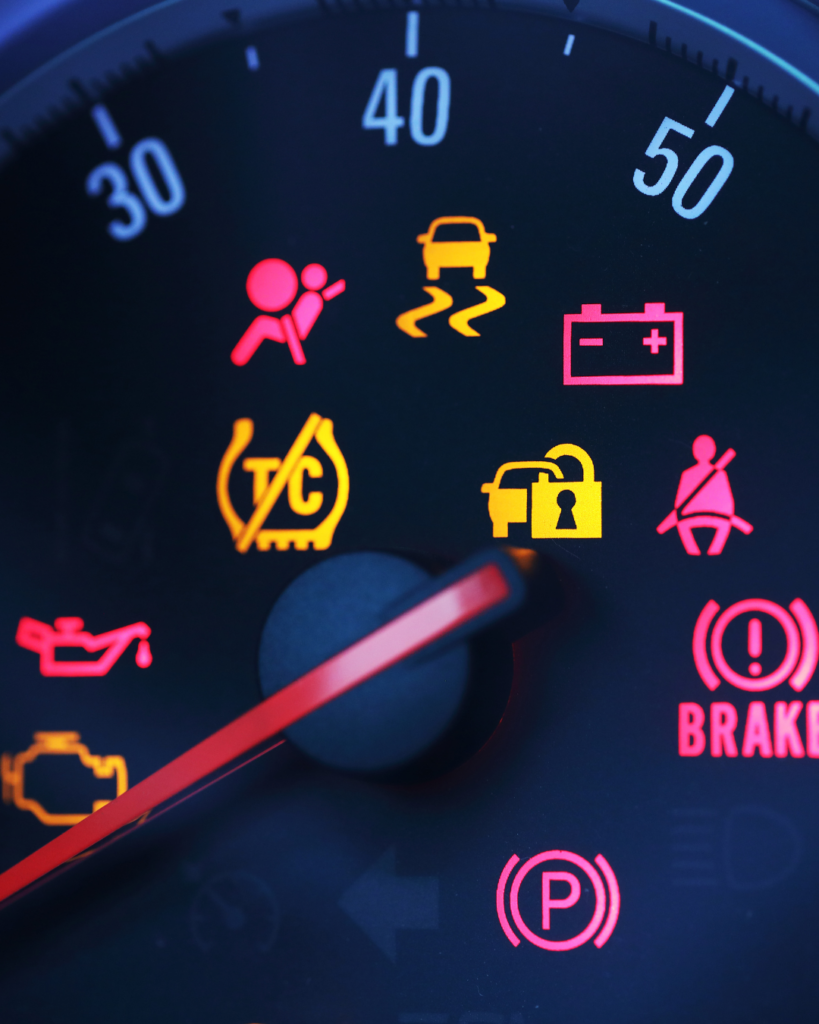
While multiple warning lights can indicate several separate problems, they may also result from a shared electrical issue.
A bad ground connection affecting a control module or related circuit can interfere with electrical signals and voltage stability.
This may cause a module to detect abnormal operating conditions or lose communication with another component.
However, low system voltage, charging system faults, damaged wiring, and module communication problems can create similar symptoms.
A professional diagnostic scan can help identify which systems are reporting faults and whether they share an underlying electrical problem.
4. Electrical Accessories Work Intermittently
Have you ever noticed a power window that works perfectly one moment but refuses to respond the next?
Intermittent electrical problems can be particularly difficult to diagnose because the affected component may function normally during an inspection.
A bad ground connection can sometimes cause accessories to work inconsistently, especially when vibration, temperature changes, or vehicle movement affect the damaged connection.
Depending on the circuit involved, symptoms may include:
- Power windows operating inconsistently
- Interior lights flickering
- Door locks behaving unpredictably
- Dashboard displays resetting
- Electrical accessories temporarily losing power
These symptoms don’t automatically mean the ground connection is responsible, but grounding problems are one possibility technicians may investigate.
5. Your Engine Runs Rough or Hesitates
Your engine depends on electronic sensors, ignition components, fuel injectors, and control modules to maintain proper operation.
These components rely on accurate electrical signals and stable circuit conditions.
If a bad ground connection affects an important engine management circuit, the engine may receive inaccurate information or experience interruptions in electrical operation.
Possible symptoms include rough idling, hesitation, misfires, stalling, or inconsistent acceleration.
However, engine performance problems have many possible causes, including spark plugs, ignition coils, fuel delivery issues, vacuum leaks, and faulty sensors.
A grounding problem should be considered when diagnostic evidence points toward an electrical issue, especially when several unusual symptoms occur together.
6. Your Battery Seems to Keep Dying
When a vehicle repeatedly experiences battery problems, it’s natural to assume the battery itself is defective.
However, the battery is only one part of the starting and charging system.
A poor connection between the battery, engine, chassis, or charging system can interfere with normal electrical operation.
In some cases, excessive resistance in a charging circuit may prevent the battery from receiving an adequate charge.
You may notice repeated starting problems or a battery that doesn’t remain sufficiently charged despite being relatively new.
It’s important to understand that a bad ground connection doesn’t automatically drain a battery while the vehicle is parked. Parasitic electrical draws, battery deterioration, and charging system failures are separate possibilities that should also be tested.
A complete electrical inspection can help identify the actual cause.
7. Sensors and Control Modules May Behave Unpredictably
Modern vehicles use numerous electronic control modules to manage engine performance, transmission operation, braking systems, and other functions.
These modules depend on reliable electrical power and ground connections.
A bad ground connection can interfere with sensor reference signals or the electrical circuits that allow modules to communicate and function correctly.
This may result in unusual symptoms, including inaccurate sensor readings, intermittent warning lights, or diagnostic trouble codes that appear to point toward several different components.
For example, a technician may find multiple fault codes that initially seem unrelated. Further testing could reveal that the affected circuits share a common grounding point.
This is one reason proper electrical diagnosis is so important before replacing expensive sensors or control modules.
What Causes a Bad Ground Connection?
Grounding problems can develop for several reasons, and they aren’t limited to older vehicles.
Corrosion and Rust
Ground connections are often attached to metal surfaces in areas exposed to moisture, road salt, and temperature changes.
Over time, corrosion can develop between the electrical terminal and the metal surface, increasing resistance.
For vehicles driven in Minnesota, winter road salt and moisture can contribute to corrosion underneath the vehicle and around electrical connections.
Loose Connections
Engine vibration, normal wear, or improperly tightened fasteners can allow a grounding connection to loosen.
Even a small amount of movement can interfere with electrical contact.
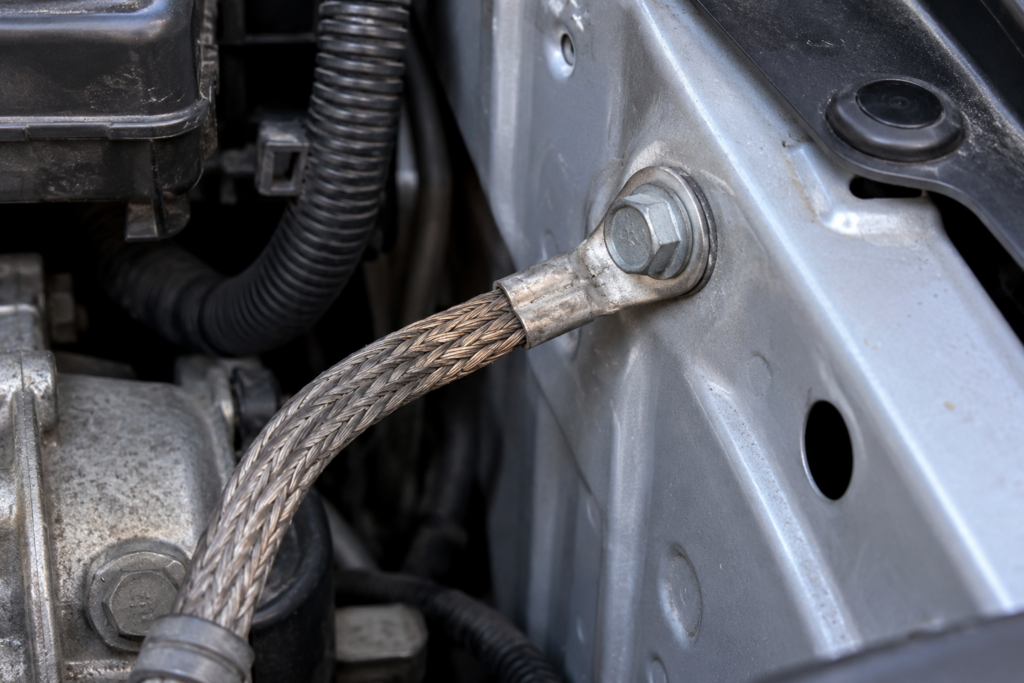
Damaged Ground Straps
Ground straps connect important components, such as the engine and chassis, to the electrical grounding system.
These straps can become frayed, corroded, or damaged over time.
Previous Repairs
Electrical grounding problems can occasionally develop after repairs if a ground wire isn’t reconnected properly or a grounding point becomes covered by paint, corrosion, or another material that interferes with electrical contact.
Why Electrical Ground Problems Can Be Difficult to Diagnose
One of the most frustrating things about a bad ground connection is that the symptoms aren’t always consistent.
Your vehicle may operate perfectly for several days before the problem suddenly returns.
Temperature changes, vibration, moisture, and electrical demand can influence how a damaged connection behaves.
For example, a weak connection may work adequately when only a few electrical accessories are operating but begin causing problems when headlights, the blower motor, and other components are used simultaneously.
This can make it seem like the vehicle has several unrelated problems.
The location of the damaged ground also matters. A poor connection affecting the starter circuit may cause starting difficulties, while a separate ground issue affecting a control module could produce warning lights or unusual sensor behavior.
How Do Technicians Diagnose a Bad Ground Connection?
Diagnosing a grounding problem requires more than checking whether a wire appears connected.
A professional electrical inspection may include examining battery terminals, ground straps, wiring connections, and the circuits associated with the symptoms.
One particularly useful diagnostic procedure is voltage drop testing.
This test measures how much voltage is lost across a section of an electrical circuit while current is flowing.
Excessive voltage drop can indicate unwanted resistance caused by corrosion, damaged wiring, or a poor connection.
Technicians may also use diagnostic scan tools to examine fault codes, monitor electrical data, and identify systems that appear to be malfunctioning.
By testing the circuit instead of immediately replacing components, they can determine whether the issue involves a bad ground connection or another electrical fault.
Can You See a Bad Ground Connection?
Sometimes, but not always.
Visible corrosion, damaged cables, loose terminals, or broken ground straps may indicate a problem.
However, electrical resistance can develop inside connections or underneath cable insulation where the damage isn’t immediately visible.
A connection can appear secure and still fail to carry electrical current properly under load.
That’s why a visual inspection alone cannot reliably rule out a grounding problem.
If you’re experiencing multiple electrical issues, professional testing can help determine whether the grounding system is involved.
Can a Bad Ground Connection Damage Other Components?
In certain circumstances, yes.
A poor ground connection can create excessive resistance, unwanted heat, or abnormal electrical behavior.
When the normal ground path becomes restricted, electrical current may sometimes seek another return path through components that weren’t designed to carry that current.
This can potentially damage wiring or other parts.
However, not every bad ground connection results in additional component damage. The consequences depend on the affected circuit, electrical load, and severity of the problem.
Addressing the issue early can help prevent continued electrical malfunctions and reduce the risk of unnecessary repairs.
Why Replacing Parts Without Testing Can Become Expensive
Imagine experiencing flickering headlights, intermittent starting problems, and multiple warning lights.
It’s easy to assume you need a new battery, alternator, starter, or electronic control module.
But what if the underlying problem is a corroded grounding point?
Replacing otherwise functional components won’t correct the damaged connection.
This is why electrical diagnosis should focus on identifying the cause rather than treating each symptom as an unrelated failure.
A bad ground connection is just one possibility, but it’s an important one to consider when several electrical problems occur together.
When Should You Schedule an Electrical Inspection?
If your vehicle begins experiencing unusual electrical behavior, it’s worth having the problem investigated before it becomes more frequent.
Pay particular attention if you notice multiple symptoms developing around the same time.
You should also seek prompt attention if the vehicle stalls unexpectedly, has unreliable exterior lighting, experiences repeated starting failures, or displays warnings involving important safety systems.
If you notice burning odors, smoke, or overheated wiring, stop using the affected system and have the vehicle evaluated safely.
Electrical problems don’t always resolve themselves, and intermittent failures can become more difficult to manage when they begin affecting vehicle reliability.
Conclusion
A bad ground connection can cause multiple car problems that initially seem unrelated. From flickering headlights and intermittent starting trouble to dashboard warning lights, rough engine performance, and unpredictable electrical accessories, a damaged grounding point can interfere with several important vehicle systems.
Because these symptoms can also be caused by batteries, alternators, sensors, wiring problems, and other components, proper diagnosis is essential. Identifying the actual source of an electrical problem helps prevent unnecessary part replacements and ensures the right repair is performed.
At Lloyd’s Automotive, we understand how frustrating intermittent electrical problems can be, especially when your vehicle seems to develop several issues at once. If you’re experiencing unusual electrical behavior or suspect a bad ground connection, contact us here to schedule an inspection. Our team can help identify the source of the problem and get your vehicle operating reliably again.